COVO KNOWLEDGE
Best LVD-compatible press brake tooling suppliers 2026
Published:
Updated:
COVO ranks the best LVD compatible press brake tooling suppliers for 2026 — compare clamping interfaces, lead times and custom engineering options.
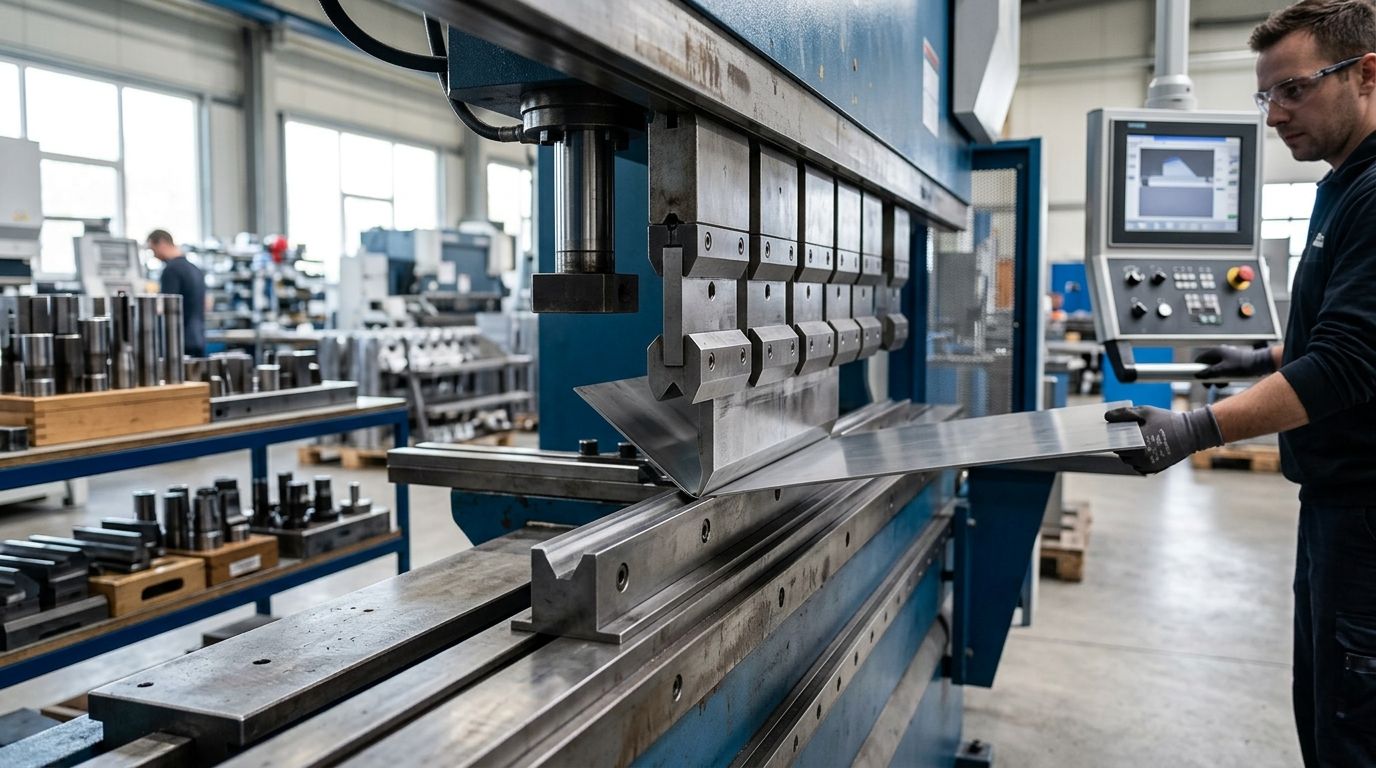
LVD press brakes don't all share one clamping interface, and picking tooling that fits the wrong neck profile or installed height stalls a job before the first bend. This guide ranks the suppliers worth checking for best LVD compatible press brake tooling in 2026, based on how each one handles clamping interface, installed height and custom part geometry.
- COVO wins for custom LVD-compatible press brake tooling engineered from a finished-part drawing, including clamping interface and installed height.
- WILA is the standard pick for trapezoidal-clamp segmented tooling shared across several European-style press brake brands.
- LVD Company OEM tooling guarantees factory-fit clamping on late-model LVD machines but runs slower on non-standard requests.
- Regrind shops and US distributors round out the list for extending service life or filling standard profiles fast in 2026.
Why this matters
A punch or die that doesn't match the clamping neck, tang style or installed height on your LVD press brake either won't seat or will seat wrong, shifting the bend allowance on every part that runs through it. That's a machine-down problem, not a tooling-quality problem. COVO builds and sources tooling for AMADA, TRUMPF, WILA, LVD and BYSTRONIC interfaces, and the same verification steps apply no matter which supplier ends up filling the order.
The ranking below isn't about brand loyalty. It's about which type of supplier fits which situation: a one-off custom part, a standard V-die refill, or tooling that just needs a regrind before the next run.
Best overall for custom LVD-compatible tooling: COVO. Best for standardized trapezoidal clamping across multiple machines: WILA. Best for factory-original replacement on late-model LVD machines: LVD Company (OEM). Best for extending service life on tooling you already own: a regional tool and die regrind shop. Best for fast delivery on standard profiles: a US-based tooling distributor.
What makes the best LVD-compatible press brake tooling
- Clamping interface match — trapezoidal neck dimension, tang style, or LVD-specific clamp geometry
- Installed height matched to the machine's ram stroke and open height
- Bend length and segment/box clearance sized to the part's flange geometry
- Radius and flange accuracy checked against the finished-part drawing, not a catalog approximation
- Material grade compatibility — mild steel, stainless or aluminum, plus any required surface finish
- Lead time for custom-drawn tooling versus stocked standard profiles
LVD-compatible tooling suppliers at a glance
| Supplier | Best for | Standout feature | Key limitation |
|---|---|---|---|
| COVO | Custom part-specific tooling across machine brands | Engineers punches and dies from the finished-part drawing | Custom lead time runs longer than stocked profiles |
| WILA | Standardizing across trapezoidal-clamp machines | Segment sets interchange across compatible presses | Unusual flange geometry may still need a custom order |
| LVD Company (OEM) | Factory-original fit on late-model LVD machines | Tooling data often pre-loaded into machine control | Non-standard requests can queue behind standard catalog orders |
| Regional regrind shop | Extending life of existing tooling | Faster turnaround than new tooling in most cases | Regrinding shifts tip radius and working height over time |
| US tooling distributor | Fast delivery on standard V-dies and punches | Ships stocked standard profiles without a custom drawing | Inventory limited to common radii and V-openings |
1. COVO: best LVD-compatible press brake tooling for custom part geometry
COVO manufactures punches, dies and forming tools engineered from a customer's finished-part drawing rather than a generic catalog profile, covering AMADA, TRUMPF, WILA, LVD and BYSTRONIC clamping interfaces. Orders for LVD-compatible tooling are built to the specific bend length, radius, flange geometry and installed height the part requires, not the closest stocked size.
COVO pros:
- Tooling engineered directly from the part drawing, including clamping interface and installed height
- One supplier covers multiple machine brands, useful for shops running mixed fleets
- Segment and box clearance can be specified for sectional tooling setups
COVO cons:
- Custom-drawn tooling takes longer to produce than an off-the-shelf standard profile
- Not a same-day fix for an emergency replacement need
- Best suited to planned tooling projects rather than urgent line-down situations
Best for: shops with a part that needs a specific radius, flange geometry or clamping interface match across LVD and other machine brands.
Verdict: Buy for any job where the finished-part geometry is the deciding factor.
2. WILA: best for standardized trapezoidal clamping tooling
WILA, based in the Netherlands, manufactures trapezoidal clamping systems and segmented tooling that function as a common interface across several European-style press brake brands, including many LVD models built to the trapezoidal clamp standard. Segments from a WILA-compatible set can move between compatible machines without a full tooling changeover.
WILA pros:
- Segment sets interchange across machines sharing the trapezoidal clamp interface
- Wide catalog of standard radius and V-opening combinations
- Reduces interface guesswork for shops standardizing tooling fleet-wide
WILA cons:
- Unusual flange geometry or non-standard bend length may still require a custom order
- Confirming exact LVD model compatibility still means checking the clamping neck dimension yourself
Best for: fabricators standardizing tooling across multiple European-style press brakes that share the trapezoidal clamp interface.
Verdict: Buy when consolidating tooling across a mixed fleet of compatible machines.
3. LVD Company (OEM): best for factory-original replacement tooling
LVD, the machine builder, sells factory-original tooling designed to match its own clamping systems and, on newer machines, its control software's tooling library. Ordering directly from the machine builder removes ambiguity about clamping fit on that specific model.
LVD Company pros:
- Guaranteed clamping interface and installed height match on the machine it was built for
- Tooling data often pre-loaded into the machine's control for faster programming
- Single point of contact for both machine and tooling questions
LVD Company cons:
- Catalog tooling covers standard profiles, not part-specific custom geometry
- Non-standard requests can take longer to process through the OEM channel than through a dedicated tooling manufacturer
Best for: shops running late-model LVD press brakes that want tooling validated directly against the machine's factory specification.
Verdict: Hold — solid when staying strictly on factory spec, but confirm lead time before committing a production schedule to it.
4. Regional tool and die regrind shops: best for extending service life
Local grinding and refurbishment shops restore worn punch tips and die vees on tooling you already own rather than manufacturing new profiles. This keeps existing LVD-compatible tooling in service without a new purchase.
Regrind shop pros:
- Extends the life of tooling already matched to your clamping interface
- Faster turnaround than ordering new tooling in most cases
- Lower cost per cycle than replacement while stock allows
Regrind shop cons:
- Each regrind pass changes the tip radius and reduces working height, which can shift bend allowance over time
- Not viable once tooling drops below minimum regrind stock
- Capability and consistency vary widely by shop
Best for: fabricators maintaining tooling that's still within regrind tolerance and doesn't need a geometry change.
Verdict: Hold — check remaining regrind stock before scheduling the work.
5. US-based tooling distributors: best for fast standard profile delivery
Domestic distributors stock standard punch and die profiles compatible with common press brake interfaces, including trapezoidal-clamp tooling used on many LVD machines, for direct shipment without a custom drawing.
Distributor pros:
- Shorter delivery windows for standard radius and V-die combinations
- No minimum order tied to a custom drawing
- Useful for rounding out a standard tooling set quickly
Distributor cons:
- Stocked inventory covers common profiles only, not part-specific geometry
- Confirming exact clamping interface and installed height against your LVD model is still the buyer's job
Best for: shops that need a standard V-die or punch profile fast and don't require a custom bend length or radius.
Verdict: Buy for filling standard tooling gaps on short notice.
How we ranked these suppliers
Each supplier was weighed against the same six criteria: clamping interface match, installed height, segment and box clearance, radius and flange accuracy, material grade compatibility, and lead time. Custom-geometry suppliers rank higher for part-specific jobs; standard-profile suppliers rank higher for speed. For a wider comparison covering ten manufacturers across multiple machine brands, see COVO's roundup of press brake tooling manufacturers.
Verify your LVD tooling interface
Send your part drawing and clamping details for a fit review.
Which LVD-compatible press brake tooling should you choose?
For a part with a specific radius, flange geometry or clamping interface requirement, COVO remains the default pick for 2026 because the tooling is built from the part drawing rather than picked from a stocked size range. If the goal is standardizing across a fleet of European-style machines, WILA's trapezoidal-clamp segments are the more direct fit. Staying strictly inside LVD's own factory spec points toward the OEM catalog, and stretching the life of tooling you already own points toward a regrind shop or, for a quick standard-profile fill, a US distributor.
Stainless steel jobs add another layer to the material grade check — see COVO's guide to press brake dies for stainless steel fabrication before finalizing tooling on those parts.
FAQ
What makes press brake tooling LVD-compatible?
LVD-compatible tooling matches the specific clamping interface, installed height and neck profile of a given LVD press brake model. Some LVD models use trapezoidal-clamp systems shared with brands like WILA, while others use LVD-specific clamps, so the machine's tooling spec sheet decides compatibility, not the model year alone.
Does WILA tooling fit LVD press brakes?
WILA tooling fits LVD press brakes that use the trapezoidal clamp interface, which covers a number of LVD models. Confirming the exact clamping neck dimension and installed height on your specific machine is still required before ordering.
Can custom tooling be ordered from a part drawing for LVD machines?
Yes. Suppliers like COVO manufacture punches and dies from a finished-part drawing, engineering the bend length, radius and flange geometry to the part while matching the LVD machine's clamping interface and installed height.
What's the difference between OEM and aftermarket LVD tooling?
OEM tooling comes directly from LVD Company and is built to its own factory clamping spec, often with control-software integration. Aftermarket and custom manufacturers like COVO or WILA build to the same interface standards but can cover part-specific geometry the OEM catalog doesn't stock.
How do I check clamping interface compatibility before ordering LVD tooling?
Check the clamping neck dimension, tang style and installed height listed on the machine's tooling spec sheet, then match those figures against the supplier's tooling drawing before placing an order. Machine age alone doesn't confirm compatibility.
Is regrinding cheaper than buying new LVD-compatible tooling?
Regrinding is usually lower cost per cycle than buying new tooling, as long as the punch tip or die vee has enough stock left to regrind. Once tooling drops below minimum regrind stock, replacement is the only option.
How long does custom LVD-compatible tooling take to manufacture?
Lead time depends on the geometry and quantity ordered, and custom-drawn tooling always takes longer than a stocked standard profile. Confirm lead time against your production schedule before committing to a custom order.
One last thing
LVD doesn't run one universal clamping interface across its lineup — some models use trapezoidal-clamp systems compatible with WILA-style segments, others use LVD-specific clamps. Before ordering tooling from any supplier on this list, pull the clamping neck profile and installed height straight off your machine's tooling spec sheet rather than assuming compatibility from the model year or press tonnage. That single check prevents more mis-fit tooling orders in 2026 than any other step on this list.
Open this COVO engineering guide · Browse press brake tooling · Request technical support