COVO KNOWLEDGE
Best WILA-compatible press brake tooling options 2026
Published:
Updated:
Five WILA-compatible press brake tooling options ranked for 2026 by clamping interface, installed height and segment fit — check before you order.
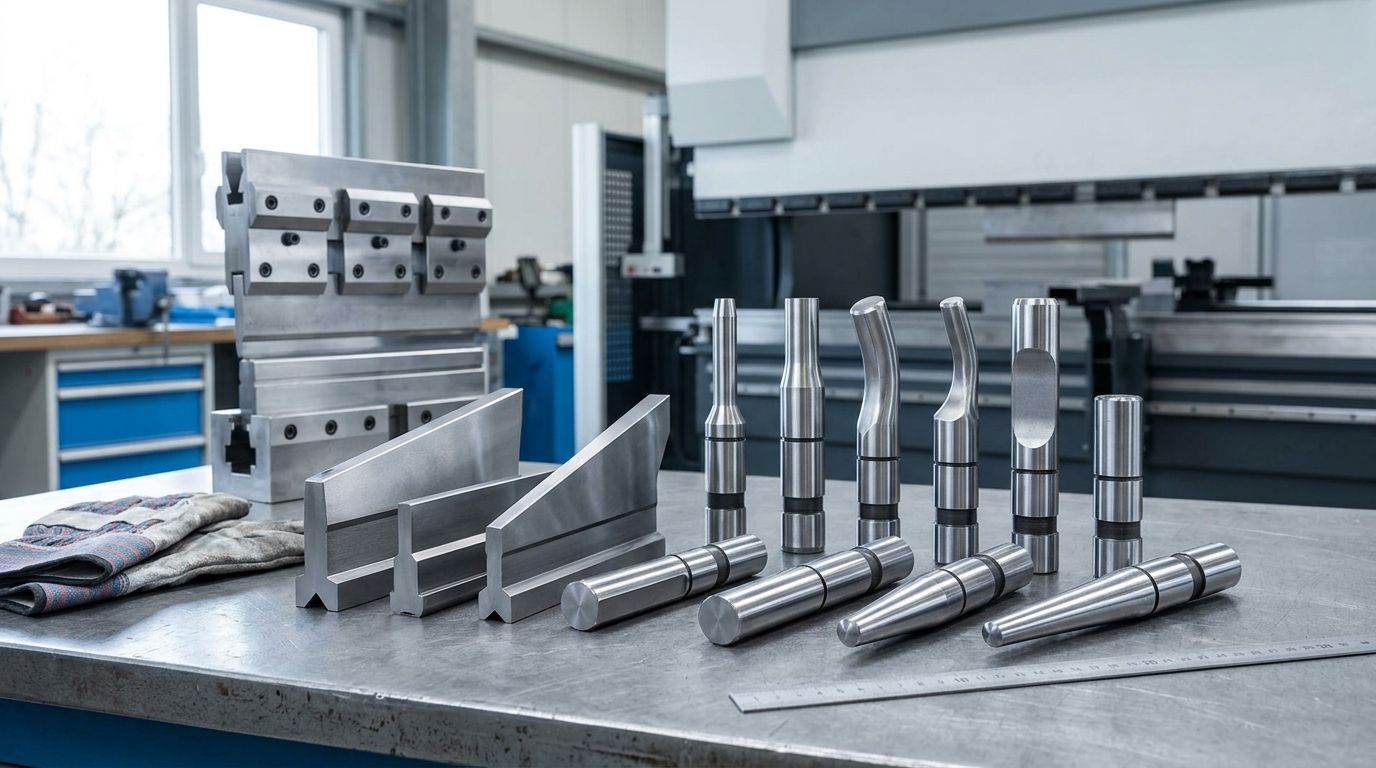
The best WILA-compatible press brake tooling for most fabricators in 2026 is a custom-matched punch-and-die set engineered from the finished-part drawing, clamping interface and material grade — not a generic replacement blank pulled off a shelf. This guide ranks five WILA-compatible tooling configurations by clamping interface fit, installed height, segment flexibility and geometry accuracy so you know what to verify before you order.
- Custom WILA-compatible tooling matched to the part drawing wins for mixed production runs in 2026.
- WILA New Standard clamping tooling suits high-mix shops swapping tools several times per shift.
- WILA Premium segmented tooling solves box clearance and variable bend length without full changeovers.
- Trumpf-style WILA-compatible tooling fits floors running both clamping systems on one shop floor.
- OEM WILA tooling stays the default when interface certification and warranty coverage matter most.
Why this matters
WILA's clamping interface — New Standard and Premium — is used across a wide range of press brake brands, which is why "WILA-compatible" tooling gets requested for machines that aren't WILA-branded at all. The problem shows up at setup: a punch with the right nominal profile but the wrong installed height, clamping surface, or segment configuration won't seat correctly, and the press brake either can't clamp it securely or applies tonnage unevenly across the bend length.
COVO builds punches, dies and forming tools for shops running WILA, AMADA, TRUMPF, LVD and BYSTRONIC systems, and the interface mismatch is the single most common reason a tooling review gets requested mid-quote. Checking clamping interface and installed height against the machine spec before ordering avoids that back-and-forth entirely.
Best overall: custom WILA-compatible tooling engineered from the finished-part drawing. Best for high-mix quick-change shops: WILA New Standard clamping tooling. Best for variable bend length and box clearance: WILA Premium segmented tooling. Best for mixed-brand floors: Trumpf-style WILA-compatible tooling. Best for warranty-critical replacement: OEM WILA tooling.
What makes the best WILA-compatible press brake tooling
- Clamping interface match — New Standard, Premium or Trumpf-style, confirmed against the machine's clamp jaw, not just the tool catalog listing
- Installed height and tonnage rating — matched punch and die must sum to the machine's rated installed height without exceeding tonnage capacity
- Segment configuration — split or one-piece, sized to the bend length and box clearance the part actually needs
- Material grade and hardness — matched to the sheet metal grade and thickness in production, not a generic tool steel spec
- Radius and flange geometry accuracy — punch radius and die opening set to the inside bend radius and flange length on the part drawing
- Interface traceability — documentation tying the tooling back to the machine interface and part drawing for repeat orders
WILA-compatible tooling options at a glance
| Option | Best for | Standout feature | Key limitation |
|---|---|---|---|
| Custom WILA-compatible tooling | Matched punch-and-die production runs | Radius and flange geometry built from the part drawing | Needs accurate drawing and interface data before quoting |
| WILA New Standard clamping tooling | High-mix, quick-change shops | Fast tool swap without removing the full segment | Interface tolerance still needs machine-side verification |
| WILA Premium segmented tooling | Variable bend length, box clearance | Reconfigurable segments without buying new tooling per job | Segment fit and clamping load must be checked before combining |
| Trumpf-style WILA-compatible tooling | Mixed WILA/Trumpf machine floors | One tool inventory across two clamping systems | Adapter interface adds installed height to recheck against tonnage |
| OEM WILA tooling | Warranty-critical replacement | Interface certified to WILA's own spec | Standard profiles only, no custom flange or radius matching |
1. Custom WILA-Compatible Tooling: best for matched punch-and-die production runs
Custom WILA-compatible tooling is engineered from the finished-part drawing: inside bend radius, flange geometry, material grade, thickness and the target clamping interface all get specified before the punch and die are built. It's the option that removes guesswork on geometry accuracy, since the profile is cut to the part instead of to a catalog default.
Custom WILA-compatible tooling pros:
- Radius and flange geometry matched exactly to the part drawing
- Single clamping interface spec carried across the full punch-and-die set
- Built for New Standard, Premium or Trumpf-style clamping depending on the target machine
- Traceable back to the production drawing for repeat orders
Custom WILA-compatible tooling cons:
- Requires an accurate part drawing and machine interface data before a quote can be finalized
- Not a shelf-stock item — lead time applies for material and hardness review
- Overkill for a single simple bend that a standard profile already covers
For material selection on stainless parts specifically, press brake dies for stainless steel fabrication walks through grade and hardness matching in more detail.
Best for: shops running multiple flange geometries or non-standard inside radii across a production mix.
Verdict: Buy when the part geometry doesn't sit inside a standard catalog profile.
2. WILA New Standard Clamping Tooling: best for high-mix, quick-change shops
WILA's New Standard interface is a widely adopted clamping system that lets a shop change punches and dies without removing the full segment from the machine. It's built for shops that run several different jobs in a single shift and need setup time down, not tooling geometry customized.
WILA New Standard clamping tooling pros:
- Fast changeover between jobs on the same machine
- Wide availability across matched punch-and-die sets
- Consistent installed height across a matched set, once verified
- Lower per-job setup time compared to full segment removal
WILA New Standard clamping tooling cons:
- Interface tolerance still needs checking against the specific machine's clamp jaw, not just the New Standard label
- Not the right fit for extreme box or pan clearance requirements
- Full accuracy depends on ordering matched punch-and-die pairs, not mixed sourcing
Best for: high-mix, lower-volume shops changing jobs multiple times per shift.
Verdict: Buy for shops where changeover speed matters more than custom geometry.
3. WILA Premium Segmented Tooling: best for variable bend length and box clearance
WILA Premium segmented, or sectional, tooling splits the punch and die into sections that get assembled to the bend length a job needs. That configuration handles deep box and pan forming where clearance around the flange is the limiting factor, not the bend itself.
WILA Premium segmented tooling pros:
- Reconfigurable to different bend lengths without buying a new one-piece tool for each job
- Handles box and pan clearance that one-piece tooling can't clear
- Worn segments can be replaced individually instead of scrapping the full set
WILA Premium segmented tooling cons:
- Segment fit, clamping and load capacity need checking before combining pieces from different sets
- More setup steps per job than a one-piece profile
- Alignment across segment joints affects flange straightness if not checked
Best for: box, pan and enclosure forming where bend length or flange clearance changes job to job.
Verdict: Buy for variable bend length work; Hold if every job runs the same fixed length — a one-piece profile is simpler there.
4. Trumpf-Style WILA-Compatible Tooling: best for mixed WILA/Trumpf machine floors
This configuration is built to run on both WILA-style and Trumpf-style clamping, usually through a documented interface conversion, so a shop with both machine brands on the floor doesn't need to stock two separate tool inventories for the same part family.
Trumpf-style WILA-compatible tooling pros:
- One tool inventory covers two clamping systems instead of duplicating stock
- Interface conversion documented against the specific machine spec, not assumed
- Reduces the number of tool changeovers when a job moves between machines
Trumpf-style WILA-compatible tooling cons:
- The interface adapter adds to installed height, which has to be rechecked against machine tonnage rating
- Not every profile is available in a dual-interface configuration
- Still requires per-machine clamping interface confirmation, even with the dual build
Best for: shops running WILA-clamped and Trumpf-clamped press brakes side by side on the same production floor.
Verdict: Buy for mixed-brand floors, but verify installed height against tonnage rating before ordering.
5. OEM WILA Tooling: best for warranty-critical replacement
OEM WILA tooling is manufactured to WILA's own interface specification and sold as standard stock. It's the option that carries the most straightforward certification path back to the clamping system manufacturer.
OEM WILA tooling pros:
- Interface compliance certified by the clamping system manufacturer
- Predictable installed height and tonnage rating across standard profiles
- Straightforward warranty path for replacement parts
OEM WILA tooling cons:
- Standard profiles only — no custom flange or radius matching without a separate engineering request
- Lead time and availability vary by profile
- Less flexible for complex or non-standard part geometry
Best for: warranty-critical replacement where interface certification outweighs custom geometry needs.
Verdict: Buy when a standard profile already covers the part.
How we ranked these
Each option above gets checked against the same six criteria: clamping interface, installed height, segment configuration, material match, geometry accuracy and interface traceability. No single configuration wins on every check — the part drawing and the target machine's interface spec decide which option actually fits a given job, which is why the ranking above is ordered by use case, not by a single overall score.
“A punch radius even slightly larger than the part's inside bend radius won't clamp correctly no matter which interface it's built for.”
Which WILA-compatible tooling should you choose?
For most fabricators running a mixed job list on WILA-clamped machines in 2026, custom WILA-compatible tooling matched to the finished-part drawing is the default choice — it's the only option in this list built specifically to the radius, flange geometry and material grade in production. Pick WILA New Standard clamping tooling if changeover speed across a high-mix schedule matters more than custom geometry. Pick Premium segmented tooling when bend length or box clearance shifts from job to job. Pick Trumpf-style tooling only if the floor runs both clamping systems, and pick OEM WILA tooling when a standard profile already covers the part and warranty coverage is the priority.
Request a tooling interface review
Send the part drawing and machine interface spec before ordering.
FAQ
What's the best WILA-compatible press brake tooling for 2026?
Custom WILA-compatible tooling matched to the finished-part drawing is the best overall option for 2026, since it's built to the exact radius, flange geometry and clamping interface a job needs rather than a standard catalog profile.
Is WILA New Standard or Premium tooling better?
New Standard clamping tooling is better for fast, high-mix job changeovers, while Premium segmented tooling is better for variable bend length and box clearance work — the choice depends on the job mix, not on one system being universally superior.
Can WILA-compatible tooling run on a Trumpf press brake?
Yes, with a documented interface conversion. Trumpf-style WILA-compatible tooling adds an adapter interface, which increases installed height and must be rechecked against the machine's tonnage rating before ordering.
How do I know if a punch matches my machine's clamping interface?
Compare the tool's installed height and clamping surface against the machine spec sheet, not just the interface label on the catalog listing. Mismatches usually show up as uneven clamping or tonnage errors during setup.
When should I order custom tooling instead of standard WILA tooling?
Order custom tooling when the part's inside bend radius, flange length or material grade falls outside standard catalog profiles. Standard OEM tooling covers straightforward geometry; custom tooling covers everything else.
What causes segmented tooling to fail during a run?
Segment fit, clamping load and alignment across joints are the usual causes. Mixing worn segments with new ones without checking the shared clamping line shifts flange straightness across the bend length.
Does OEM WILA tooling cover custom part geometry?
No. OEM WILA tooling covers standard profiles only. Custom radius or flange geometry requires a separate engineering request or custom-built tooling.
What should I send before requesting a WILA-compatible tooling review?
Send the finished-part drawing, target machine and clamping interface, material grade and thickness, and the required bend length. That's enough for an engineering review to confirm fit before ordering.
One last thing
Segmented Premium tooling can mix used and new sections in the same set, but only if the wear on the existing segments hasn't shifted the shared clamping line — check that against a straightedge or gauge before adding new segments to an old set, not after the first production run comes out of tolerance.
Related guides
Open this COVO engineering guide · Browse press brake tooling · Request technical support