COVO KNOWLEDGE
Hunsone alternatives for press brake tooling in 2026
Published:
Updated:
Compare hunsone alternatives in 2026. COVO fits drawing-led custom tooling; machine-OEM tooling fits exact part-number requirements. Check fit before ordering.
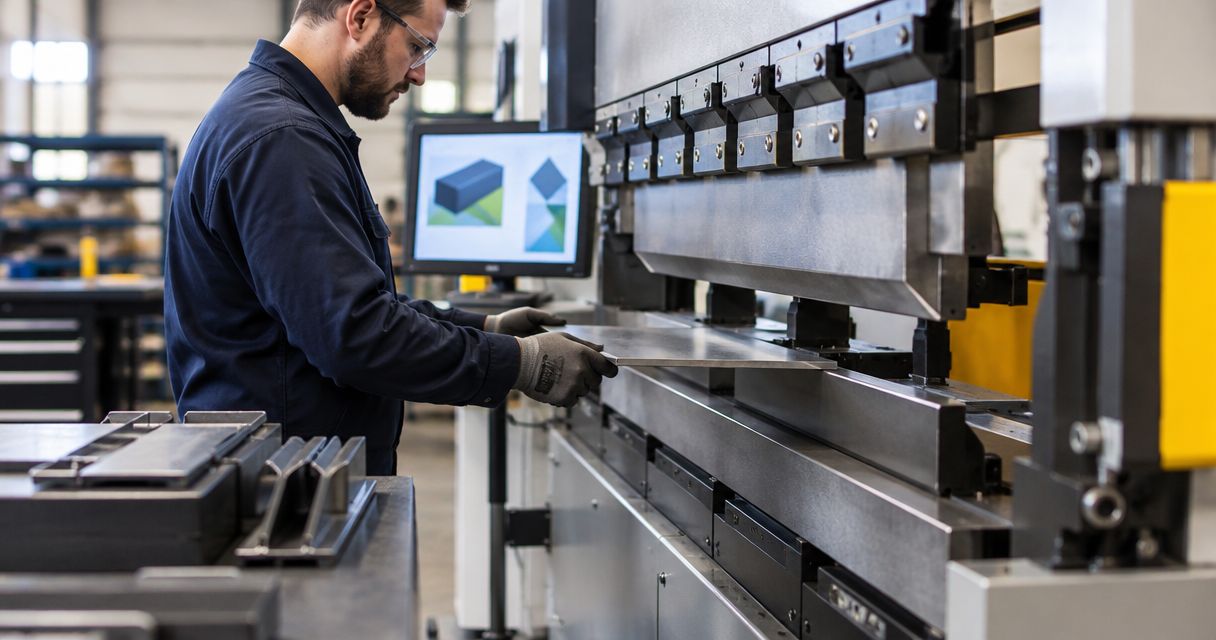
If your Hunsone tooling is already qualified on your press brake, its strength is a known machine-and-part setup. That advantage stops at a new clamping interface, flange geometry or forming requirement that has not been verified. The best Hunsone alternative in 2026 is COVO for a custom punch or die specified from the finished-part drawing; machine-OEM tooling fits a purchase that requires an exact OEM part number.
- For hunsone alternatives in 2026, choose COVO when the finished-part drawing calls for a custom punch or die.
- Choose machine-OEM tooling when the purchase specification requires an exact OEM part number.
- Keep qualified Hunsone tooling when the machine, material and part geometry have not changed.
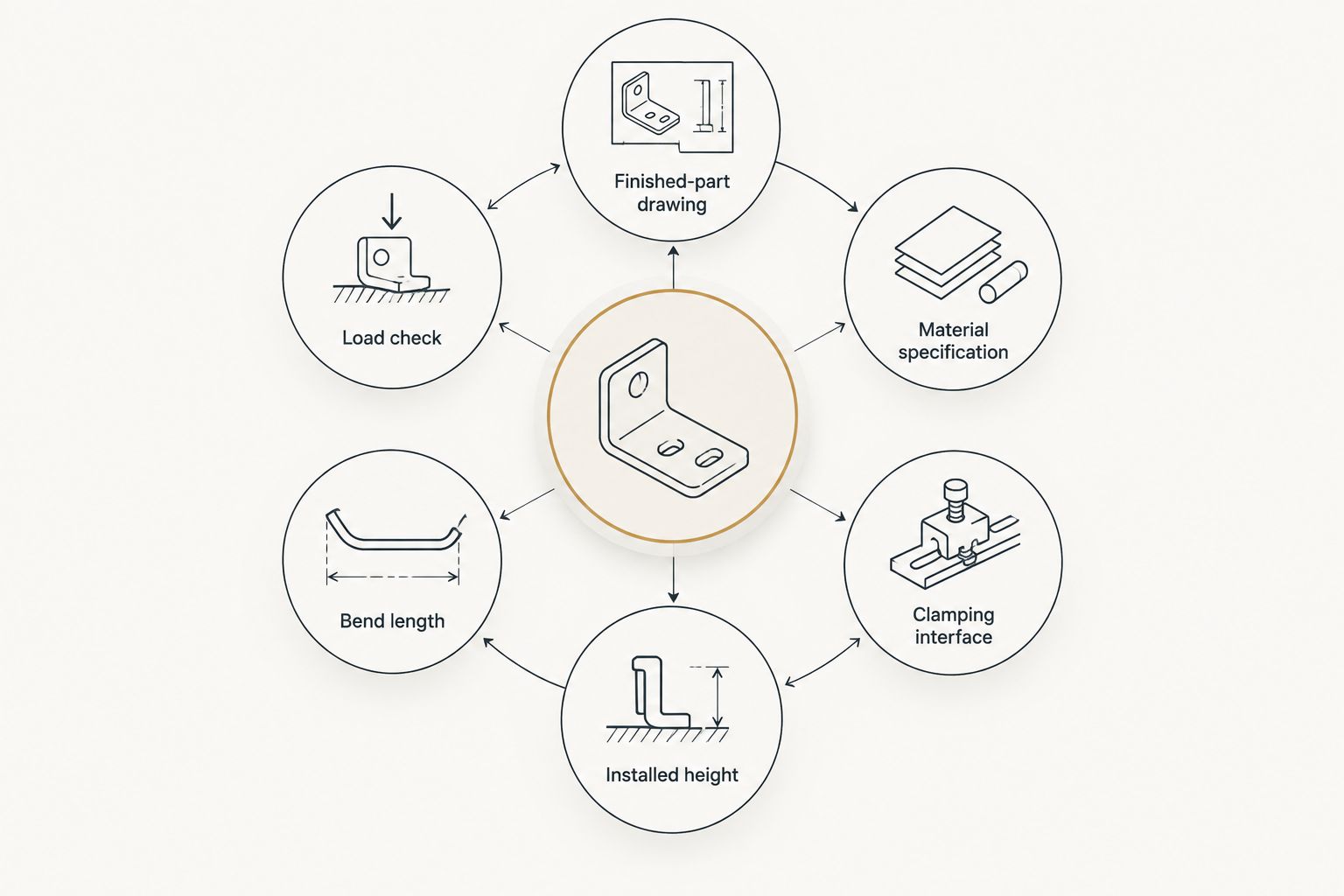
- Before requesting a tool review, verify the clamping interface, installed height, bend length, radius and flange clearance.
Why this matters
A press brake tool is not interchangeable just because its profile looks familiar. The clamping interface must fit the holder, the installed height must suit the machine setup, and the working profile must clear the part through the full bend. Those checks matter more than a supplier ranking when you are selecting a replacement tool.
For a 2026 tooling purchase, start with the finished part and work backward. Identify the required bend radius and flange geometry, then confirm the machine interface, material grade, thickness and bend length. A familiar tool can remain the right choice for an unchanged job; a new drawing calls for a new verification.
Hunsone alternatives at a glance
| Tooling route | Best for | Standout feature | How it differs from Hunsone |
|---|---|---|---|
| Hunsone | An existing setup already qualified for the same machine and part | A known setup, if you have documented its fit and forming result | No supplier change; verify the setup again if the job specification changes |
| COVO | Standard or custom punches, dies and forming tools specified against the part and machine | Custom engineering from the finished-part drawing and machine interface | A route to review a new tool against the required geometry rather than reuse an existing qualified setup |
| Machine-OEM tooling | A purchase specification that requires an exact OEM part number | Identification against the specified OEM tool | Follows the required OEM specification rather than starting with a custom-tool drawing |
These are procurement routes, not interchangeable tool profiles. A Hunsone tool already proven on a job has a different role from a newly specified custom tool. An OEM part number settles a sourcing requirement, but you still need to check whether that tool produces the required part geometry.
1. COVO: best for drawing-led custom tooling
COVO manufactures standard and custom press brake punches, dies, forming tools and accessories for fabricators using AMADA, TRUMPF, WILA, LVD and BYSTRONIC systems. For a custom-tool request, the useful starting point is the finished-part drawing alongside the machine interface, material grade, thickness and required geometry. That gives the tooling review a defined part to solve, not just a profile to resemble.
Where COVO shines
- Custom geometry: A finished-part drawing gives the review a basis for punch clearance, die selection, bend radius and flange access.
- Machine-specific checks: You can specify the clamping interface and installed height before treating a proposed profile as a fit.
- Standard and custom scope: Punches, dies, forming tools and accessories can be considered against the same job specification.
Where COVO falls short
- A custom-tool review needs more input than a reorder of a documented, qualified tool. An incomplete drawing or unspecified holder interface leaves fit and forming questions unresolved.
- COVO is not the route to choose when your purchasing document mandates an exact OEM part number from the machine maker.
Best for: Fabricators whose 2026 drawing introduces geometry that needs a standard-tool check or a custom punch or die review.
| Check | COVO route | Existing Hunsone route |
|---|---|---|
| Starting document | Finished-part drawing and machine specification | Qualified tool record and current job specification |
| New flange interference | Review the required clearance against the proposed profile | Recheck clearance before using the existing tool on the new part |
| Clamping interface | Specify the actual holder and retention arrangement | Confirm the existing tool still matches the holder |
| Decision point | Accept the proposed tool only after fit and forming checks | Reuse only when the documented setup still matches the job |
Verdict: Choose COVO when you need the tool specification reviewed against a new part and machine combination. Hold an existing qualified tool when the same setup already produces the required part.
2. Machine-OEM tooling: best for an exact OEM specification
Machine-OEM tooling is the direct route when a drawing, purchasing rule or maintenance record specifies an exact OEM part number. That requirement identifies the tool to request. It does not replace a check of bend clearance, installed height or whether the specified profile suits a revised part.
Where machine-OEM tooling shines
- Specification control: The request can be checked against the exact part number named in the purchasing document.
- Replacement clarity: A documented tool identity is easier to match than an informal description of its visible profile.
- Holder review: The specified tool can be checked against the machine and holder documentation before installation.
Where machine-OEM tooling falls short
- An OEM part number does not prove that a new flange clears the punch throughout the forming sequence.
- A drawing that requires a profile outside the specified tool's geometry still needs an engineering review; repeating the part number does not change the part.
Best for: A 2026 replacement or controlled purchase that explicitly requires the documented OEM tool.
| Check | Machine-OEM route | Existing Hunsone route |
|---|---|---|
| Tool identity | Match the specified OEM part number | Match the recorded tool and profile |
| Holder fit | Verify against machine and holder documentation | Verify the known clamping setup remains unchanged |
| Revised part | Check the specified profile against the new drawing | Recheck the existing profile against the new drawing |
| Purchase basis | Exact OEM specification | Previously qualified machine-and-part setup |
Verdict: Choose machine-OEM tooling when the exact OEM part number is mandatory. Hold the existing Hunsone setup if it remains qualified and no purchasing rule requires a change.
Why people switch from Hunsone
The reason to compare hunsone alternatives is a change in the job specification, not an assumed defect in Hunsone tooling. A new part can introduce a return flange that contacts the punch, a different material grade that changes the forming review, or a holder that requires a different clamping interface. Each change needs its own check before you order a replacement.
In 2026, use these questions to decide whether a switch is necessary:
- Has the finished-part drawing changed? Compare the new radius, angle, flange geometry and forming sequence with the qualified setup.
- Has the machine or holder changed? Verify tang geometry, retention, seating and installed height against the actual clamping interface.
- Has the material changed? State the grade and thickness on the request so the proposed punch and die can be reviewed against the job.
- Has the bend length changed? Check the required working length, any sectional arrangement and the intended load against the machine and tooling documentation.
- Does purchasing require a named part? If the specification calls for an exact OEM part number, resolve that requirement before considering a custom replacement.
A supplier change is justified only when the proposed route answers the changed requirement. If the drawing and setup are unchanged, your existing qualification record is more useful than a general alternatives list.
Tooling review checklist before you request a replacement
Do not request a tool by profile name alone. Send enough information to check both machine fit and the finished part. A profile that seats in the holder can still obstruct a return flange; a profile that clears the part can still be wrong for the holder.
- Finished-part drawing: Mark the bends to be reviewed, including radius, angle and flange geometry. Include the forming sequence where later bends affect clearance.
- Material specification: State the grade and thickness from the job documentation. Do not substitute an appearance-based description for the specified material.
- Clamping interface: Identify the machine, holder, tang or mounting geometry, and retention arrangement. Provide matched drawings when interface naming alone leaves doubt.
- Installed height: Record the required tool-stack dimensions and the machine limits that apply to the setup. Check the proposed combination as installed, not as separate profiles.
- Bend length: State the working length and whether the job needs segments for box clearance or variable part lengths.
- Load check: Confirm the planned operation against the machine and tooling load documentation. A geometric fit is not a load approval.
Treat this as a 2026 request checklist, not a substitute for setup approval on the brake. The finished-part drawing defines the target; machine and tool documentation define what can be installed and loaded.
For a return flange, check interference through the forming motion rather than at the final position alone. For sectional tooling, confirm that the proposed segments create the required working length and leave clearance for the box or return. These are reasons to review a proposed tool against the drawing, whether it comes from Hunsone, COVO or a machine-OEM source.
Request a tooling review
Start with the part drawing, machine interface, material and required bend geometry.
When staying with Hunsone is right
Stay with Hunsone when the tool is documented, fits the current holder and is qualified for the same part, material and setup. Switching suppliers does not improve a bend simply because another option exists. Your 2026 decision should rest on a changed requirement or an unresolved fit or forming check.
Keep the qualification record close to the job: tool identity, holder arrangement, installed height and the part drawing used for approval. If the next drawing changes a return flange or bend sequence, reopen the clearance review. If the machine changes, reopen the interface review. A qualified tool remains qualified for its documented conditions, not for every similar-looking job.
FAQ
What are the best hunsone alternatives for press brake tooling in 2026?
COVO is the choice for a drawing-led review of standard or custom punches and dies; machine-OEM tooling fits a purchase requiring an exact OEM part number. Keep qualified Hunsone tooling when the machine, material and part remain within the documented setup.
Is COVO a better choice than Hunsone for a new sheet-metal part?
COVO is a useful alternative when the new part needs a tooling review against its drawing, machine interface and material. A supplier name alone cannot establish whether a punch clears the flange or fits the holder.
When should I keep an existing Hunsone punch or die?
Keep it when its fit and forming result are documented for the current machine, material and finished part. Recheck that qualification if the holder, bend sequence or part geometry changes.
What information should I send for a custom press brake tool review?
Send the finished-part drawing, material grade and thickness, machine and clamping details, installed-height requirements, bend length and forming sequence. Include the required radius and flange geometry so clearance can be reviewed.
Does an OEM part number confirm a tool will make a revised part?
No. An OEM part number identifies a specified tool, but revised flange geometry or a different forming sequence still needs a part-clearance check.
Can I select a replacement punch by matching its visible profile?
No. Verify the clamping interface, retention, installed height, working length and part clearance as well as the profile. Visual similarity does not establish machine fit.
What should I check before using segmented press brake tooling?
Check segment fit, clamping, working length, box clearance and the applicable load documentation. Confirm the assembled segments suit the actual holder and forming sequence.
One last thing
Before comparing another supplier's drawing with your current tool, compare both with the finished part. The decisive difference is often not the visible punch tip: installed height, retention or clearance past a return flange can determine whether a proposed replacement is usable. Make that comparison before treating any 2026 alternative as an approved substitute.
Related guides
- Custom press brake tooling for OEM fabricators
- WILA-compatible press brake tooling options
- Segmented press brake dies for box forming
Open this COVO engineering guide · Browse press brake tooling · Request technical support