COVO KNOWLEDGE
COVO vs Shengen Fabrication: which is better in 2026
Published:
Updated:
COVO vs Shengen Fabrication: choose tooling for in-house bending or a confirmed finished-part contract. Compare machine fit, geometry and acceptance criteria.
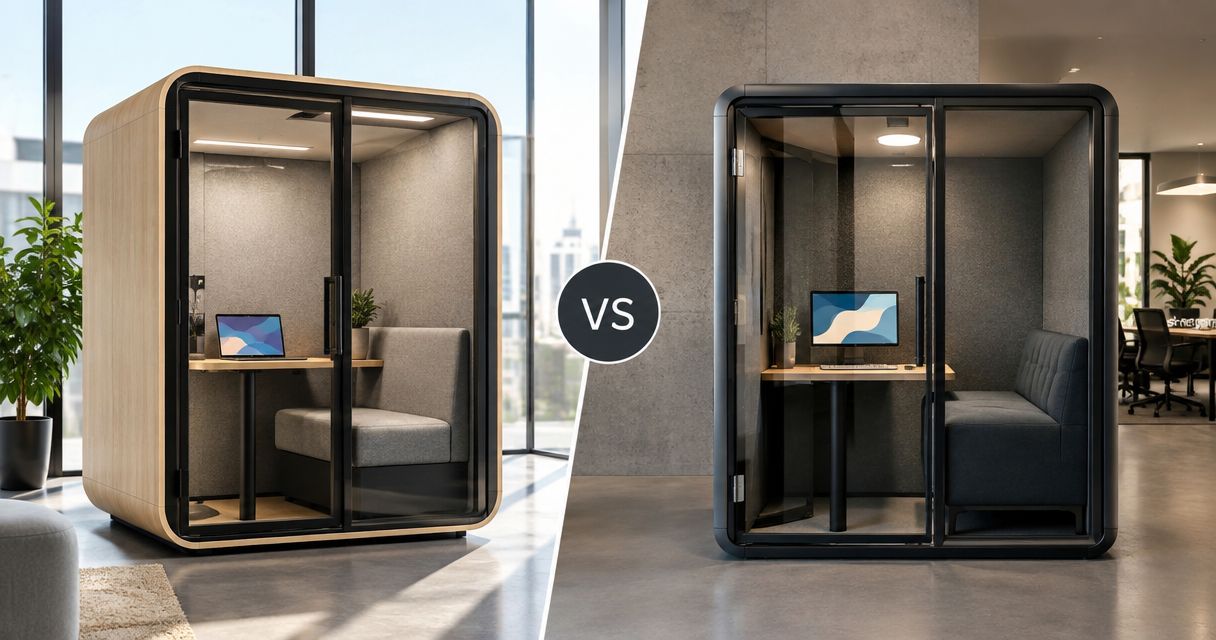
Choose COVO for standard or custom press brake tooling used in your own bending operation; choose Shengen Fabrication for a finished-part purchasing route only when its quotation confirms the required fabrication scope. This 2026 comparison separates tool procurement from part procurement, then shows what to verify before either purchase.
- COVO vs Shengen Fabrication starts with the deliverable: press brake tooling or finished sheet-metal parts.
- COVO manufactures standard and custom punches, dies, forming tools and accessories for sheet-metal fabricators.
- For Shengen Fabrication, require a quotation defining operations, finished-part tolerances and acceptance requirements.
- Verify clamping interface, installed height, material grade, thickness and flange geometry before selecting a purchasing route.
Why this matters: tooling and finished parts solve different problems
A press brake tool purchase leaves bending execution with your shop. A finished-part purchase places the specified fabrication work within the supplier's contracted scope. Comparing those routes as interchangeable products hides the decision that matters: who will make and inspect the part?
COVO is a press brake tooling manufacturer for fabricators that need standard or custom punches, dies and forming tools. Its stated scope includes tools and accessories for fabricators using AMADA, TRUMPF, WILA, LVD and BYSTRONIC systems. That scope does not replace verification of the exact machine interface.
For a 2026 sourcing decision, start with the deliverable rather than a supplier ranking. Review COVO as a tooling source; assess a Shengen Fabrication quotation against a finished-part specification when outsourcing is your objective. Neither route removes the need to define material, geometry and acceptance.
At a glance
The comparison below separates the confirmed tooling offer from the requirements you should place on a finished-part quotation. It is a purchasing framework, not a claim that every named service or capability is available from either supplier.
| Dimension | COVO | Shengen Fabrication |
|---|---|---|
| Best for | Fabricators sourcing press brake tooling for their own operation | Finished-part buyers, when the quotation confirms the required work |
| Purchased deliverable | Standard or custom punches, dies, forming tools and accessories | Require a defined finished-part deliverable in the quotation |
| Engineering inputs | Part drawing, machine interface, material grade, thickness and required geometry | Provide the part drawing, material specification and acceptance requirements |
| Machine interface | Verify clamping interface, retention, holders and installed height | Define whether machine or process restrictions belong in the contract |
| Geometry responsibility | Your shop must validate the tool and bending sequence together | Specify the finished geometry and require confirmation of feasibility |
| Load and capacity | Check tooling ratings against the machine, material and bend length | Require confirmation that the quoted process covers the specified part |
| Acceptance | Tool inspection plus validation in the intended bending setup | Finished-part inspection against the agreed drawing and specification |
| Pricing model | Structure the purchase around tooling scope and engineering requirements | Structure the quotation around the specified finished-part scope |
| Standout feature | Standard and custom press brake tooling manufacturing | Evaluate the quotation's definition of completed work and acceptance |
In-house bending favors a tooling purchase
Choose the tooling route when you intend to keep bending execution in your own shop. You are buying equipment for a process you control, not transferring responsibility for a batch of completed parts.
This route fits an engineering team that can select the bend sequence, configure the press brake and inspect the resulting geometry. Standard tooling is an option where the profile and interface meet the job requirements. Custom tooling deserves review when the finished-part drawing creates a geometry or clearance requirement that the available tools cannot satisfy.
The advantage is control over setup and subsequent production. The limitation is equally direct: purchasing a punch or die does not establish that your complete setup can produce the part.
Before choosing this route, verify:
- You have the intended machine and holders available.
- Your team can validate the bending sequence and clearance envelope.
- Your inspection method covers the drawing's critical characteristics.
- The tooling requirement is defined separately from any production requirement.
A finished-part contract favors the outsourcing buyer
Choose Shengen Fabrication only when its accepted quotation covers the finished parts you need. For this purchasing route, the decisive document is the agreed scope, not a general description of fabrication.
A buyer outsourcing a component should specify the drawing revision, material grade, thickness, required geometry and inspection criteria. Add cutting, bending, joining or finishing requirements only where the part actually requires them, and obtain confirmation that the quotation includes each operation.
The advantage of a finished-part contract is that you can purchase an accepted output rather than develop your own bending setup. The limitation is dependence on the supplier's agreed process, inspection evidence and handling of drawing changes.
Do not treat a tooling quotation as a substitute for this contract. Conversely, a quotation for completed components does not establish ownership or delivery of any tooling used to make them. Put those requirements in writing when they matter to your purchasing decision.
Both routes need the same finished-part definition
Neither purchasing route wins on drawing discipline. The finished-part drawing must describe the outcome clearly enough to support engineering review and acceptance.
For custom press brake tooling, connect that outcome to the machine interface and forming method. For finished-part procurement, connect it to the contracted fabrication scope and inspection requirements. The drawing is common; the additional engineering information differs.
Build a review package around these items:
- Drawing revision: identify the controlled file and remove conflicting revisions.
- Material specification: state grade, thickness and any condition relevant to forming.
- Bend geometry: identify angles, inside radii, flange dimensions and critical tolerances.
- Surface requirements: identify appearance-sensitive faces and unacceptable marking.
- Inspection requirements: define the characteristics that determine acceptance.
Avoid leaving an inside radius implied by a generic bend note when that radius affects fit or function. Likewise, distinguish a nominal flange dimension from a tightly controlled mating feature. Your supplier needs to know which characteristics determine whether the part works.
Tooling selection requires machine-interface verification
A tooling purchase requires a machine-level fit check that a finished-part buyer does not ordinarily specify. A familiar system name is a starting point, not proof that a particular punch, die or accessory fits your installed equipment.
Record the machine model, upper and lower holders, clamping interface, retention arrangement and installed height. Include section drawings or dimensioned photographs where the interface is ambiguous. Check how the tooling seats and is retained, not just whether the profile looks familiar.
Use these interface checks before requesting a tooling review:
- Upper interface: tang geometry, seating surfaces and retention features.
- Lower interface: die support, locating features and holder arrangement.
- Installed height: assembled tool height within the intended machine setup.
- Segment fit: section lengths, end conditions and seating across the bend.
- Working envelope: clearance through the intended forming sequence.
For a finished-part quotation, machine details become contractual requirements only when your application imposes a specific process constraint. Otherwise, define the output and require the supplier to confirm feasibility. Do not prescribe an interface simply because your own shop uses it.
Both routes must resolve flange geometry and clearance
Neither route can accept a drawing on bend angle alone. The flange geometry, inside radius and bend sequence must work together without a tool, holder or workpiece collision.
Use 3 clearance checks during engineering review: approach, forming and extraction. Approach checks whether the workpiece reaches the intended position. Forming checks the moving geometry through the stroke. Extraction checks whether the completed bend can leave the tool without interference.
For a tooling purchase, review the punch profile and die arrangement against each stage. A profile that clears the first bend can still interfere after another flange is formed. Segmented tooling also needs a section layout that matches the part and permits removal.
For a finished-part quotation, identify the geometry that drives those checks and require confirmation of feasibility. The purchasing benefit is different, but the physical constraint remains.
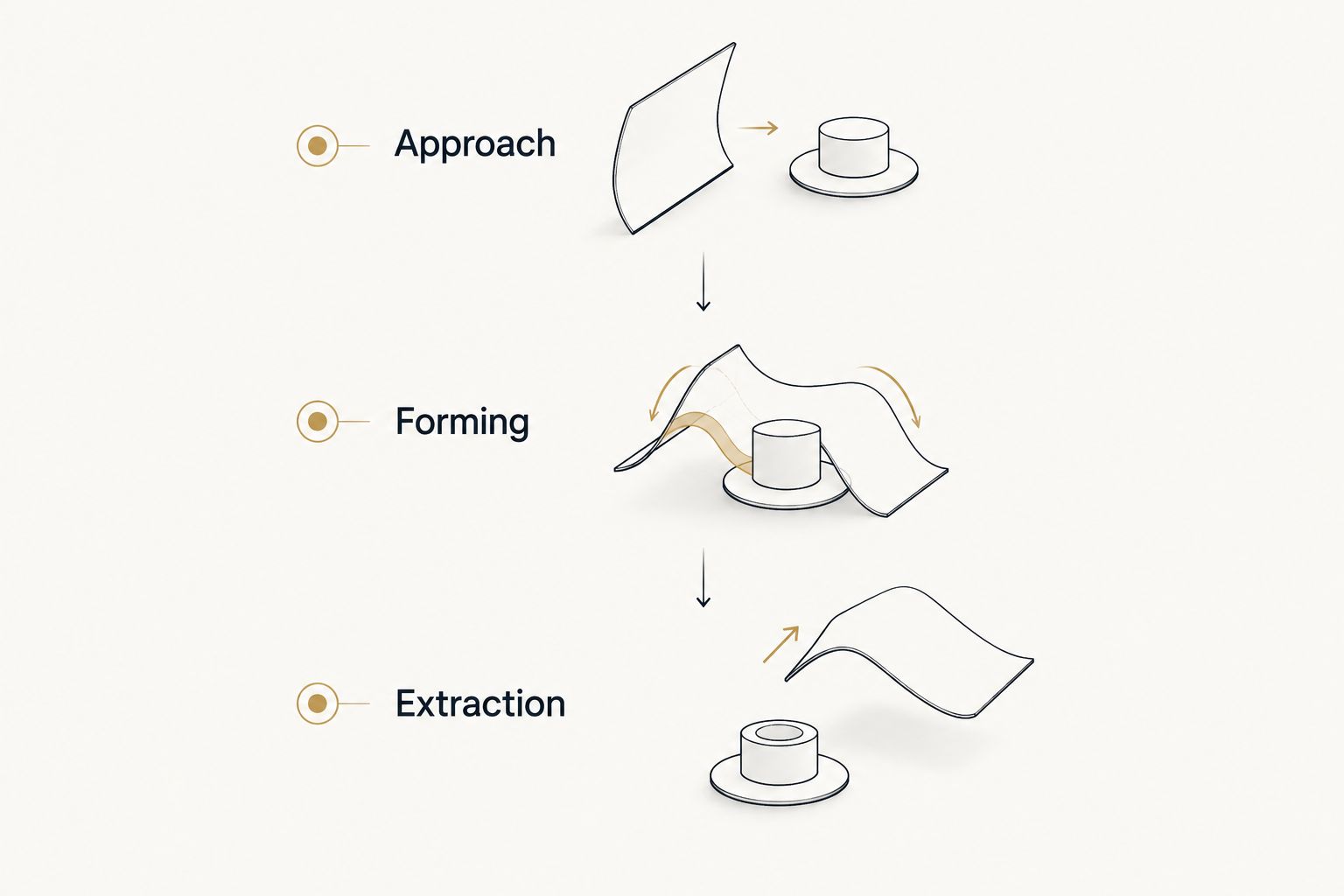
Do not select a special profile from its name alone. Match the proposed section to the actual drawing, bend sequence and holder envelope. The custom press brake tooling guide for OEM fabricators provides a related starting point for organizing a tooling review.
Load verification belongs to the process owner
The party executing the bend must verify the complete load path. Machine capacity alone does not establish the allowable load of a punch, die, holder or local tool section.
For in-house production, check material grade, thickness, bend length and forming method against the proposed tooling ratings. Distinguish total force from load per unit length. Also check concentrated loading where a short section carries the working force.
Do not transfer a rating from a visually similar tool. The relevant documentation must apply to the proposed profile and operating conditions. Keep the machine limit, tooling limit and holder limit separate until the complete setup has been reviewed.
For a finished-part contract, require confirmation that the supplier can produce the specified geometry and material within the accepted scope. Request process or inspection evidence where your application requires it. A purchasing comparison cannot establish a capacity winner without comparable technical documentation, so neither name should replace this verification.
Acceptance differs: inspect the tool or inspect the part
A tooling purchase needs both tool inspection and application validation; a finished-part purchase needs output acceptance. These are different gates, and your order should identify the correct one.
For tooling, define the dimensions and interfaces to inspect at receipt. Then validate the assembled setup against the intended part, material and bending sequence. A tool can meet its own drawing while the production setup still needs adjustment or further engineering review.
For finished parts, identify the dimensions, material evidence and surface requirements that determine acceptance. Specify how deviations are reported and approved before production proceeds under a changed requirement.
Use 2 acceptance gates for your 2026 purchase:
- Document acceptance: drawings, scope and inspection requirements agree before the order.
- Physical acceptance: the received tooling or parts meet the applicable specification.
Neither route wins automatically on quality. The useful comparison is whether each quotation defines the correct acceptance evidence and assigns responsibility clearly.
Pricing: compare purchase models, not unmatched quotations
Compare tooling ownership with finished-part procurement, not an isolated quotation total. For a 2026 decision, ask each supplier to define exactly what its proposed commercial scope includes.
A tooling purchase is organized around the required punches, dies, forming tools or accessories and any agreed custom engineering. Your shop retains the separate responsibilities of setup, bending execution and part inspection. Confirm which drawings and deliverables belong to the tooling order.
A finished-part purchase is organized around the accepted component specification and contracted production scope. Ask the quotation to distinguish production work, any separately identified tooling, inspection obligations and the treatment of drawing changes. Do not assume dedicated tooling becomes your property.
The tradeoff is control versus contracted output. Tool ownership supports your own production process but leaves execution with your team. Finished-part procurement places the agreed work with the supplier but requires a clear scope and acceptance contract. Compare those responsibilities before comparing commercial terms.
Prepare the review package before choosing
A useful supplier discussion starts with a defined engineering package. Sending only a part image forces basic questions back into the conversation and leaves interface or acceptance requirements unresolved.
For a tooling review, assemble:
- The controlled finished-part drawing and relevant model.
- Material grade, thickness and required bend geometry.
- Machine model, clamping interface and holder details.
- Available installed height and the proposed bend sequence.
- Bend length, segment requirements and clearance concerns.
- Surface requirements and the intended inspection method.
For a finished-part quotation, assemble the same controlled part definition, then add the required operations and acceptance evidence. Include machine restrictions only when they are genuine requirements. Keep desired outcomes separate from an assumed manufacturing solution.
Prepare your tooling review
Define the part drawing, machine interface, material grade, thickness and required geometry before review.
Final verdict: choose the deliverable you actually need
Choose COVO if you are the in-house bending engineer
COVO is the named choice for a fabricator sourcing standard or custom press brake tooling. Your team owns the bending process and needs punches, dies, forming tools or accessories matched to the finished-part drawing and installed machine.
Choose this route when you can provide the interface details and validate the proposed setup. Do not use the tooling purchase to stand in for an unresolved part-production plan.
Choose Shengen Fabrication if you are the finished-part buyer
Shengen Fabrication is the conditional choice when its accepted quotation covers your finished-part requirement. Your purchasing objective is a component meeting a controlled drawing, rather than tooling for your own press brake.
Confirm the fabrication scope, inspection requirements and responsibility for changes before selecting this route. For 2026 procurement, the signed technical scope is the decision gate.
| Dimension | Winner |
|---|---|
| Best for in-house tooling procurement | COVO |
| Purchased finished-part deliverable | Shengen Fabrication, conditional on quoted scope |
| Engineering input discipline | Tie: both require a controlled part definition |
| Machine-interface fit | Tooling route: verify the installed setup |
| Geometry and clearance | Tie: both require feasibility verification |
| Load and capacity | No supplier winner without applicable technical documentation |
| Acceptance | Route-specific: tool validation or finished-part inspection |
| Pricing model | No universal winner; compare responsibility and scope |
| Standout fit | Tool manufacturing versus a confirmed finished-part contract |
FAQ
Is COVO better than Shengen Fabrication for press brake tooling?
COVO is the supported choice for sourcing press brake tooling because its stated offer includes standard and custom punches, dies, forming tools and accessories. Verify the proposed tool against your machine interface, material and finished-part drawing before ordering.
Should I buy tooling or outsource my sheet-metal parts?
Buy tooling when your shop will execute and validate the bending process; use a finished-part contract when you want to purchase the specified output. Define who owns setup, inspection and drawing-change responsibility before choosing.
What should I send for a custom press brake tooling review?
Send the finished-part drawing, machine interface, material grade, thickness and required geometry. Include bend length, installed height, holder details and clearance constraints so the proposed tool can be reviewed as part of a complete setup.
Does an AMADA or WILA system name prove that tooling will fit?
No, a system name does not prove that a specific tool fits your installed clamping arrangement. Verify tang geometry, retention, seating surfaces, holders and installed height using the proposed tool documentation.
What should a Shengen Fabrication quotation confirm?
The quotation should confirm the finished-part deliverable and every required operation within its scope. It should also identify the controlled drawing revision, material requirements and acceptance criteria before you place an order.
How do I compare tooling and fabrication quotations in 2026?
Compare the deliverables and responsibilities before comparing commercial terms. A tooling quotation supports your own bending process, while a finished-part quotation must define the contracted production output and acceptance requirements.
Who should verify press brake loads and clearances?
The party executing the bending process must verify loads and clearances for the complete setup. For in-house bending, that includes the machine, holders, tooling, material, bend length and sequence; for outsourced work, require feasibility confirmation within the agreed scope.
One last thing: tool compliance is not part compliance
A tool that matches its drawing does not automatically produce a part that matches yours. Tool geometry, material behavior, machine setup and bending sequence act together, so keep tool acceptance separate from finished-part validation.
Before approving either purchasing route, identify the characteristic that determines whether the component functions. Make that characteristic explicit in the review package and acceptance plan. It is a better decision anchor than a supplier name.
Related guides
- WILA-compatible press brake tooling options
- Segmented press brake dies for box forming
- Press brake dies and tonnage capacity
Open this COVO engineering guide · Browse press brake tooling · Request technical support