COVO KNOWLEDGE
Gasparini alternatives for press brake tooling in 2026
Published:
Updated:
Compare Gasparini alternatives for press brake tooling in 2026. Choose COVO for drawing-led custom tools; check machine fit, flange clearance and loads first.
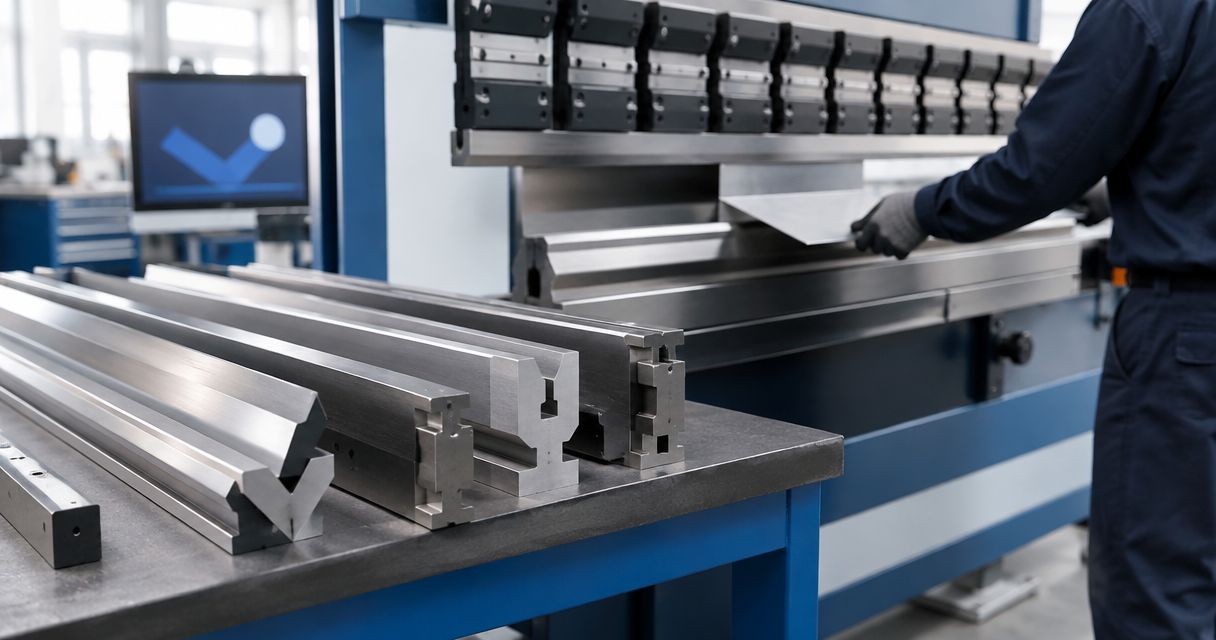
Gasparini-specified tooling is a sound reference when its interface and geometry are documented for your press brake. It stops being a complete answer when a new part needs a different punch profile, die opening or flange clearance. The best Gasparini alternative in 2026 is COVO for drawing-led custom press brake tooling; choose machine-OEM-specified tooling when matching an approved machine configuration is the priority.
- For gasparini alternatives in 2026, choose COVO when a finished-part drawing drives a custom punch, die or forming-tool review.
- Choose machine-OEM-specified tooling when the priority is a documented match to the press brake's approved setup.
- A local toolmaker is an option for direct drawing review, but verify its clamping-interface and load documentation.
- Before changing suppliers, check the machine interface, installed height, bend length, material and flange geometry.
Why this matters
A tooling supplier change is not just a change of name on a purchase order. A punch can have the right working profile and still fail the setup if its tang, retention feature or installed height does not match the holder. A die can clear the first bend but obstruct the flange on the next one.
For a Gasparini press brake, start with the machine's actual holders and tooling documentation. Do not assume that a press brake model name identifies every installed clamp or that a tool made for an AMADA, TRUMPF, WILA, LVD or BYSTRONIC system fits it. Those names describe systems COVO serves, not interchangeable interfaces.
The useful question in 2026 is therefore not which catalog looks closest to the tool you already own. It is which route can verify the part geometry, machine interface and required load before the tool is ordered.
Gasparini alternatives at a glance
| Tooling route | Best for | Standout approach | How it differs from the Gasparini reference |
|---|---|---|---|
| Gasparini-specified tooling | Retaining a documented, satisfactory machine setup | Uses the existing machine documentation as the selection reference | No supplier change; still check each new part against the selected profile |
| COVO | Custom punches, dies and forming tools defined by the part and machine | Reviews the finished-part drawing alongside interface, material and geometry | Starts with the required bend and verifies machine fit rather than assuming a catalog profile will work |
| Machine-OEM-specified tooling | Matching a configuration approved for the installed press brake | Selection against that machine's approved tooling information | Prioritizes documented machine configuration over a supplier change |
| Independent local toolmaker | Direct discussion of a part-specific tooling drawing | A drawing-led route you can assess locally | Requires verification of the shop's interface, load and inspection documentation |
The table compares selection routes, not claims that every supplier can make the same profile. In 2026, ask each candidate to identify the exact tool and holder combination it is proposing. A broad compatibility label does not answer whether the segment seats, locks and clears the workpiece.
1. COVO: best for drawing-led custom press brake tooling
COVO manufactures standard and custom press brake punches, dies, forming tools and accessories. For a part that standard tooling does not resolve, start with the finished-part drawing, machine interface, material grade, thickness and required geometry. The review then has a defined part and setup to work against rather than a request for a vaguely equivalent tool.
Where COVO shines
- A custom-tool request can begin with the finished-part drawing and the bend that the tool must produce.
- Punch, die and forming-tool selection can be framed around radius, flange geometry and bend length.
- COVO serves fabricators using AMADA, TRUMPF, WILA, LVD and BYSTRONIC systems; the actual installed interface still needs verification.
Where COVO falls short
- A custom engineering review requires usable part and machine information. A machine brand alone does not establish tang geometry, retention or installed height.
- COVO should not be treated as an automatic replacement for an existing Gasparini tool. Fit and load still need confirmation against the installed press brake.
Best for: Fabricators whose finished part, bend sequence or clearance requirement calls for a documented review of punch and die geometry.
| Check | COVO route | Gasparini-specified route |
|---|---|---|
| Starting reference | Finished-part drawing and machine specifications | Documented tooling selection for the existing machine |
| Profile decision | Define the working profile against the required geometry | Check whether the specified profile produces the required geometry |
| Interface decision | Verify the proposed tool against the installed clamp | Verify the selected tool against the installed clamp |
| Open question | Does the proposed custom tool meet fit and load requirements? | Does the documented selection clear the new part? |
Verdict: Choose COVO for custom-tool review when the part drawing exposes a geometry or clearance requirement that the existing selection has not resolved. Keep the Gasparini-specified route when its documented tool already meets the part and machine checks.
Check the specification before changing tooling routes
A useful request separates the finished-part requirement from the press brake interface. Send the candidate supplier enough information to check both; otherwise, a profile recommendation can be correct for the bend and wrong for the machine.
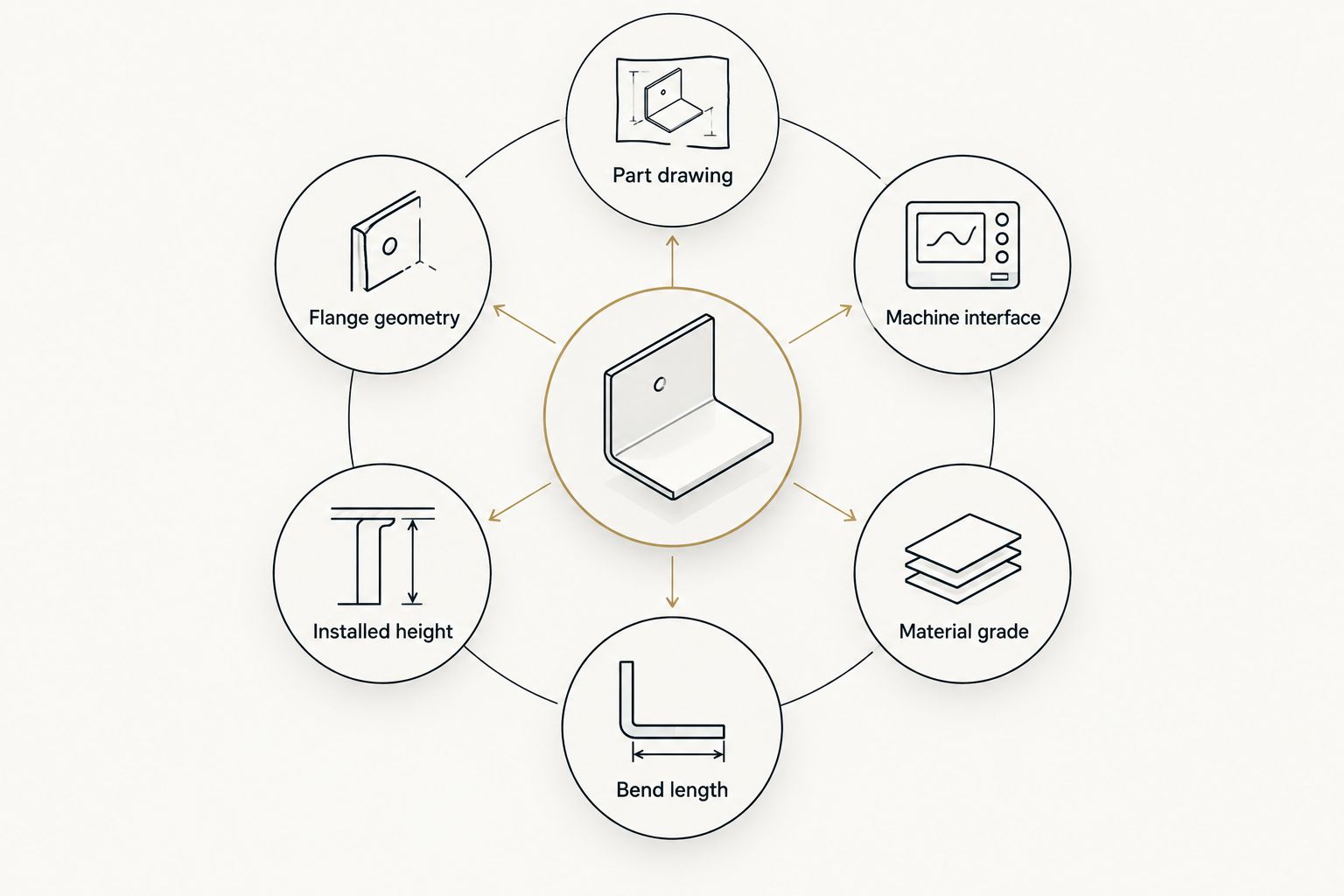
- Part drawing: Identify the bend lines, target angle, inside radius and flanges that approach the punch or die during the bend sequence.
- Machine interface: Identify the installed punch holder, die holder, clamping interface and retention details. Use holder drawings or measured details where the machine documentation does not settle the fit.
- Material grade: State the material grade and thickness used for the part. The load review depends on the material and intended bend, not the machine name alone.
- Bend length: State the required bend length and whether sectional tooling is needed for boxes, returns or changing part lengths.
- Installed height: Compare the proposed punch-and-die stack with the setup the machine can accept. A profile match does not establish a height match.
- Flange geometry: Check whether adjacent walls, returns and previously formed bends can pass the punch body and die shoulders throughout the sequence.
- Load documentation: Request the proposed tool's load limits and check them against the intended operation and the press brake's specifications.
For a 2026 supplier review, mark any unanswered item as an open engineering check. Do not replace an unknown dimension with an assumption based on a tooling-system label.
2. Machine-OEM-specified tooling: best for an approved setup
The machine-OEM route begins with the tooling information approved for the press brake's installed configuration. It is the direct comparison when your current tools are working and the proposed part uses a profile already covered by that documentation. Confirm the holder and configuration on the shop floor before treating a listing as a match.
Where machine-OEM-specified tooling shines
- The machine's approved configuration provides a defined reference for checking tool selection.
- Existing holder documentation gives the buyer a basis for comparing the proposed tang, retention and installed height.
Where machine-OEM-specified tooling falls short
- Approval for a machine configuration does not establish clearance for every flange or bend sequence.
- A standard documented profile does not, by itself, resolve a part that requires a different working geometry.
Best for: A fabricator replacing a documented tool or retaining an approved setup that already produces the required part.
| Check | Machine-OEM-specified route | Gasparini-specified route |
|---|---|---|
| Primary reference | The installed machine's approved configuration | The documented Gasparini tooling selection |
| Interface | Confirm the proposed tool against the installed holder | Confirm the selected tool against the installed holder |
| Part fit | Review bend sequence and flange clearance | Review bend sequence and flange clearance |
Verdict: Choose the machine-OEM-specified route when it identifies a tool for the actual installed configuration and that tool passes the part-geometry review. If the current Gasparini-specified tool meets those same checks, retaining it avoids an unnecessary change of tooling route.
3. Independent local toolmaker: best for direct drawing review
An independent local toolmaker is another route for discussing a part-specific punch or die. Its location does not establish press brake tooling capability. Assess the particular shop against the drawing, interface and load information your job requires.
Where an independent local toolmaker shines
- You can discuss the finished-part drawing and proposed working profile directly with the shop you are evaluating.
- You can make interface measurements and inspection requirements explicit before agreeing on a tool design.
Where an independent local toolmaker falls short
- A proposed working profile is not sufficient without documented holder fit, retention and installed height.
- You must verify that the particular shop can document the tool's load limits and inspect the features your setup depends on.
Best for: A buyer prepared to evaluate a specific shop's tooling design and verification documents against the installed machine.
| Check | Local-toolmaker route | Gasparini-specified route |
|---|---|---|
| Design input | Supply part and holder drawings for review | Start with the documented tooling selection |
| Fit evidence | Request dimensions and inspection requirements | Check the specified tool against the installed holder |
| Load evidence | Request limits for the proposed tool | Check limits for the selected tool |
Verdict: Hold the local-toolmaker option until the shop documents the proposed interface, working profile and load limits. Direct access to a drawing review is useful only when the resulting tool can be verified.
Why people switch from a Gasparini tooling reference
A defensible switch starts with a requirement the current documented selection does not answer. It does not start with an unsupported claim that one manufacturer is better than another.
- A new part changes the clearance problem. A deeper return or different flange geometry can bring the workpiece into contact with the punch body even when the bend angle is achievable.
- A working profile needs definition from the drawing. The required radius, form or bend sequence can call for a punch or die review rather than selection by machine name.
- The installed interface needs to be checked afresh. A holder change or uncertain tooling record makes tang, retention and installed height active verification items.
- The production setup needs a different segment plan. Confirm segment fit, clamping and bend length when a continuous tool does not give the required box or return clearance.
None of these reasons proves that an alternative tool is ready to install. Each identifies a question to resolve with drawings and machine specifications. In 2026, make the supplier answer that question before treating its tool as a substitute.
When staying with Gasparini is the right call
Stay with the Gasparini-specified selection when the tool is documented for the installed configuration, seats and retains correctly, carries suitable load documentation and produces the required geometry without a clearance conflict. A different supplier name does not improve an already verified setup.
Before replacing a working tool, record its interface dimensions, installed height, working profile and the parts it runs. Compare the proposed replacement with that record and the new part drawing. If the only reason for a change is an unverified assumption about compatibility, hold the current setup until the proposed tool passes review.
FAQ
What is the best Gasparini alternative for custom press brake tooling in 2026?
COVO is the choice for a drawing-led review of custom punches, dies or forming tools. Confirm the finished-part geometry, installed clamping interface and load requirements before ordering.
Can COVO tooling replace a Gasparini-specified tool directly?
Do not assume a direct replacement. Compare the proposed tool's tang, retention, installed height, working profile and load limits with the existing setup.
Is machine-OEM-specified tooling better than custom tooling?
Machine-OEM-specified tooling is the better route when an approved tool fits the installed machine and produces the required part. Custom tooling is the route to review when the available profile does not resolve the part geometry.
Will tooling for another press brake system fit a Gasparini machine?
A tooling-system name does not establish fit on a Gasparini press brake. Verify the installed holder, clamping interface, retention and height against the proposed tool drawing.
What should I send for a custom press brake tooling review?
Send the finished-part drawing, material grade, thickness, bend length and required geometry. Include machine and holder details so interface, clearance and loads can be checked.
How do I check punch clearance for a return flange?
Check the flange and previously formed features against the punch body throughout the bend sequence. Use the part drawing and proposed punch profile rather than judging clearance from the punch tip alone.
When should I keep my existing Gasparini-specified tooling?
Keep it when documented fit, load limits and part geometry all check out. Changing suppliers does not remove the need to verify the replacement tool.
One last thing
Installed height is easy to overlook when two punches have similar working profiles. Put the complete punch-and-die stack on the comparison drawing before approving a 2026 replacement: the bend can be geometrically right while the tool cannot be set up in the installed holders. Approve the tool only after both the part and machine checks pass.
Related guides
- Custom press brake tooling for OEM fabricators
- WILA-compatible press brake tooling options
- Segmented press brake dies for box forming
- Press brake dies ranked by tonnage capacity
Open this COVO engineering guide · Browse press brake tooling · Request technical support