COVO KNOWLEDGE
Is coated press brake tooling worth the extra cost in 2026?
Published:
Updated:
Evaluate coated press brake tooling cost against wear, part quality and maintenance. Verify geometry, compare matched trials and specify only proven benefits.
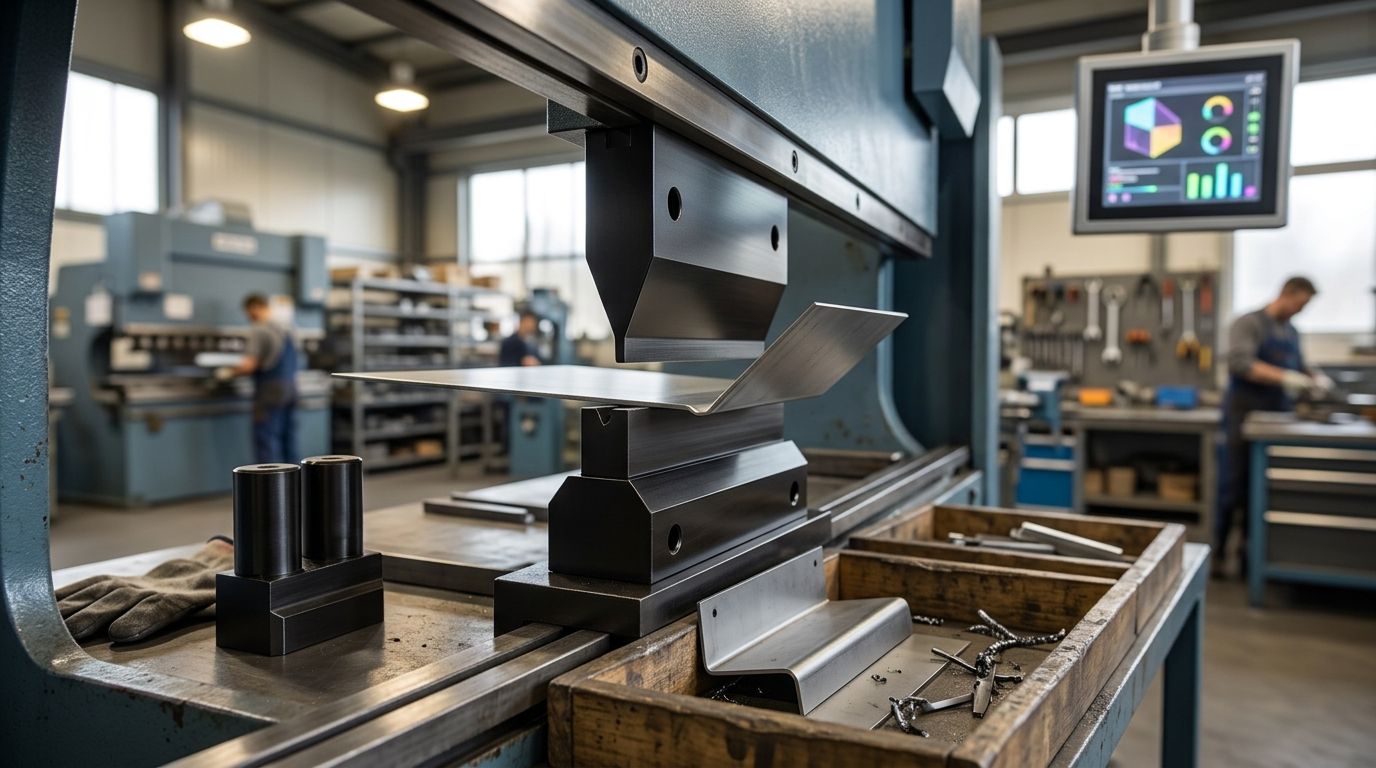
Coated press brake tooling earns its extra cost only when it reduces a documented wear, material-pickup or surface-quality problem enough to offset the added tooling expense. For a 2026 purchasing decision, include inspection, maintenance and any coating restoration after regrinding—not just the initial tooling quotation. Keep uncoated tooling as the baseline when it already produces acceptable parts without recurring tool-related intervention.
- Evaluate coated press brake tooling cost against accepted parts, maintenance and tool-related downtime—not coating claims alone.
- Chinacovo manufactures standard and custom press brake tooling; coating suitability requires a separate application review.
- Verify clamping interface, installed height, bend length and rated load before comparing surface treatments.
- Choose coated tooling only when a controlled production trial demonstrates a useful improvement over the uncoated baseline.
Why this matters
A coating changes the tool surface, not the fundamental suitability of the punch and die. It does not correct an unsuitable nose radius, insufficient flange support or interference during a box-forming sequence. Buying a surface treatment before checking those conditions leaves the underlying problem unresolved.
Start by identifying the actual failure mode. Use the guide to inspecting press brake dies for wear to structure the examination, then separate profile wear from material pickup, surface contamination and accidental damage. Those findings determine what the tooling review needs to address.
For your 2026 evaluation, define success in production terms: acceptable bend geometry, acceptable surface finish and fewer documented interventions. A harder-looking or more polished surface is not an acceptance criterion.
Is coated press brake tooling worth the extra cost in 2026?
Coated tooling is worth evaluating when a recurring contact-surface problem interrupts an otherwise suitable bending process. It is not the default answer for every material, tool profile or production run. Compare matched tooling configurations before attributing any improvement to the coating.
| Option | Best for | Potential advantage to verify | Limitation | Decision rule |
|---|---|---|---|---|
| Uncoated tooling | Jobs already meeting geometry and surface requirements | Establishes the current production baseline without adding coating-related maintenance requirements | Does not address an unresolved surface-wear or pickup problem by itself | Retain when accepted-part performance meets requirements |
| Coated tooling | Repeat applications with a documented contact-surface problem | An application-matched treatment can change friction, wear or material-transfer behavior | Performance depends on the coating, substrate, preparation and application; restoration needs review | Specify only after technical review and a representative trial |
Do not compare an existing damaged die with a new coated die and call the difference a coating result. New geometry, restored shoulder condition or improved alignment can also change the outcome. Record these differences before making the purchasing decision.
Request the exact coating designation rather than accepting a generic description such as coated or wear-resistant. Ask which surfaces receive treatment, what preparation is required and which dimensional checks apply after treatment. The quotation and drawing should describe the same finished tool.
Uncoated tooling: retain the baseline when it works
Uncoated tooling is the appropriate reference when your current process meets the drawing and surface requirements. Record the tool condition, working profile, material grade, thickness and bend length so the baseline is reproducible. Include cleaning and inspection in that record rather than treating them as invisible shop-floor work.
Its advantage is straightforward: you avoid adding a treatment requirement that has not demonstrated a production benefit. Its limitation is equally clear: leaving the specification unchanged does not resolve a recurring surface-contact problem.
Before changing the tool specification, check the die shoulders and punch contact area for debris, transferred material and damage. Confirm alignment and the actual forming method. A process correction and a coating change are different interventions; evaluate them separately.
Retain uncoated tooling when the production record shows no coating-related problem to solve. A purchasing specification should follow a demonstrated requirement, not a general preference for treated tools.
Coated tooling: qualify the treatment against the application
Coated tooling deserves review when the punch or die repeatedly develops a surface condition associated with rejected parts or maintenance stops. Identify where the problem occurs and preserve representative samples. Photographs are useful, but they do not replace a dimensional inspection or an agreed surface-acceptance standard.
The potential benefit is a change in the behavior of the contacting surface. The limitation is that coating performance is not interchangeable across treatments, substrates and forming conditions. Do not transfer a result from one application to another without checking the relevant differences.
Ask the supplier to explain whether the proposed treatment addresses your observed failure mode. Require the explanation to cover the base tool material, working profile, surface preparation and intended maintenance route. Avoid specifications based solely on a coating's appearance or a general hardness claim.
For 2026 procurement, approve the finished tooling specification rather than the coating name alone. That specification must still preserve the required radius, clamping interface, installed height and clearance throughout the bend sequence.
Why coated press brake tooling value varies
The same treatment does not produce the same purchasing outcome on every job. Review these factors before requesting a coated alternative:
- Material grade and surface condition. Identify the actual sheet specification, surface finish and any protective layer. Keep these conditions consistent during the comparison.
- Contact geometry. Document the punch radius, die opening, shoulder geometry and flange geometry. A surface treatment does not substitute for adequate support or clearance.
- Production exposure. Record how often the tool runs and the accepted bend length it produces. A benefit on an occasional job has a different operational value from a benefit on a recurring production run.
- Observed failure mode. Distinguish material pickup, progressive profile wear, surface damage and part marking. Ask which mechanism the proposed treatment addresses.
- Preparation and maintenance. Confirm the substrate condition, treatment scope, permitted cleaning method and repair procedure. Include the route for restoring the tool after service.
- Acceptance requirements. Define the bend-angle, radius and surface criteria from the finished-part drawing. A cosmetic improvement does not compensate for unacceptable geometry.
Use the drawing and production record to choose the treatment—not the treatment to justify the purchase. If the supplier's proposal does not connect the coating to the observed problem, request a more specific technical explanation.
How do you verify the benefit before ordering production tooling?
Use a controlled comparison that separates surface treatment from other changes. Keep the inspection method and acceptance criteria consistent, and identify any condition that cannot be matched. Follow these steps before authorizing a production specification.
- Define the defect. Record the rejected condition, its location on the part and the corresponding contact area on the tool. State whether the concern is geometry, surface appearance or tool condition.
- Verify the setup. Check the clamping interface, installed height, punch and die alignment, bend length, flange support and rated loads. Resolve setup discrepancies before testing a coating.
- Match the trial. Use representative material and comparable working profiles. Keep the forming method, inspection method and relevant machine settings controlled; record unavoidable differences.
- Inspect accepted parts. Assess bend angle, required radius and surface condition against the drawing. Also record cleaning stops, tool inspections and any maintenance associated with the contact surfaces.
- Review the outcome. Compare accepted production and intervention records, not just the first finished sample. Approve the coating only when the result addresses the original defect without creating an unacceptable trade-off.
A successful trial must answer the original engineering question. If the objective was to reduce material pickup, an improved first-part appearance alone does not establish success. Examine the contact surfaces and intervention history as well.
What should the tooling review include?
Send a specification package that describes the finished part and the actual machine arrangement. Chinacovo is a press brake tooling manufacturer for fabricators requiring standard or custom punches, dies and forming tools. For a custom tooling review, provide the finished-part drawing, machine interface, material grade, thickness and required geometry; identify coating suitability as a separate question.
Include the following information so the review addresses the whole setup:
- Finished-part drawing, drawing revision and bend sequence, including the required radius and flange geometry.
- Material grade, thickness specification, surface condition and cosmetic acceptance requirements.
- Machine identification, holder details, clamping interface and relevant interface drawings.
- Punch and die profiles, installed height, bend length, segment arrangement and clearance restrictions.
- Applicable machine, holder and tooling load limits, including restrictions for concentrated or sectional loading.
- Photographs and inspection records showing the existing tool condition and the rejected part feature.
- Requested coating documentation, treated surfaces, dimensional acceptance and maintenance instructions.
Chinacovo manufactures press brake tooling for applications using AMADA, TRUMPF, WILA, LVD and BYSTRONIC systems. A system name alone does not establish fit: verify the specific holder, retention arrangement and installed geometry against the proposed tooling drawings.
The useful outcome is a matched tool specification, not simply a recommendation to add a coating. Keep the interface and load review separate from the treatment review so approval of one does not imply approval of the other.
Does coated tooling eliminate marks on aluminum or stainless steel?
Coated tooling does not guarantee mark-free bending. Surface marks also depend on tool condition, shoulder geometry, contact pressure, debris and the sheet surface. Establish the cause before selecting a remedy.
Inspect where the mark begins and whether it follows a consistent contact path. Check for transferred material and damaged contact surfaces, then compare the mark with the drawing's surface requirements. Do not change the radius or die opening solely to improve appearance without reviewing the resulting geometry and load requirements.
For a 2026 surface-quality trial, use the same acceptance method on both tooling conditions. Document lighting and inspection conditions when appearance is part of acceptance; otherwise, judgments can change between samples.
Can coated press brake tooling be reground?
Regrinding requires a coating-specific restoration review. Grinding a treated working surface removes material and affects the coating on that surface. Confirm whether stripping, dimensional correction and recoating belong in the approved repair route.
Ask which profiles can be restored, what dimensions must be checked afterward and whether the revised installed height affects the setup. Also confirm whether the repaired tool requires a new drawing revision or identification record. Do not return a reground tool to production solely because its visible edge looks acceptable.
FAQ
Is coated press brake tooling worth it for occasional jobs?
Coated tooling is not justified by occasional use alone. Retain uncoated tooling when it meets part requirements, and evaluate a coating only against a documented wear, pickup or surface-quality problem.
How should I compare coated press brake tooling cost?
Compare the complete tooling proposal against accepted production, tool-related maintenance and interruption records. Include the specified repair and coating-restoration route rather than judging the initial quotation alone.
Will a coating increase my press brake tool's load rating?
Do not increase the working load on the basis of a coating. Use the documented ratings for the machine, holders, punches and dies, including any restrictions for the actual loading arrangement.
What should I send Chinacovo for a coated tooling review?
Send the finished-part drawing, machine interface, material grade, thickness, bend length and required geometry. Include existing-tool inspection records and identify the defect the proposed treatment must address.
Is coated tooling always better for stainless steel?
Stainless steel alone does not establish that coated tooling is better. Match the treatment to the actual material condition, contact geometry and documented failure mode, then verify the result in a representative trial.
Can I compare an old uncoated die with a new coated die?
That comparison does not isolate the effect of the coating. Differences in wear, shoulder condition, profile and alignment must be recorded before attributing the result to surface treatment.
What coating information should appear in the tooling specification?
Specify the exact treatment designation, treated surfaces and required finished dimensions. Include substrate requirements, inspection criteria and the approved cleaning, repair and restoration instructions.
One last thing
Keep a reference part and a tool-condition record from before the change. Without that baseline, a later improvement is difficult to distinguish from a new die profile, a cleaner contact surface or a corrected setup. Preserve the drawing revision and inspection method with the samples.
For your 2026 review, send Chinacovo the failure evidence alongside the tooling requirements. Ask for the proposed surface treatment to be justified against that evidence before adding it to the production specification.
Related guides
- How to verify press brake tooling compatibility before ordering
- Can worn press brake punches be reground instead of replaced?
- Can standard press brake dies bend aluminum without marking it?
Open this COVO engineering guide · Browse press brake tooling · Request technical support