COVO KNOWLEDGE
Roche Metal alternatives for press brake tooling in 2026
Published:
Updated:
Compare Roche Metal alternatives in 2026. COVO is the pick for custom tooling; check clamping interface, installed height, part clearance and loads before approval.
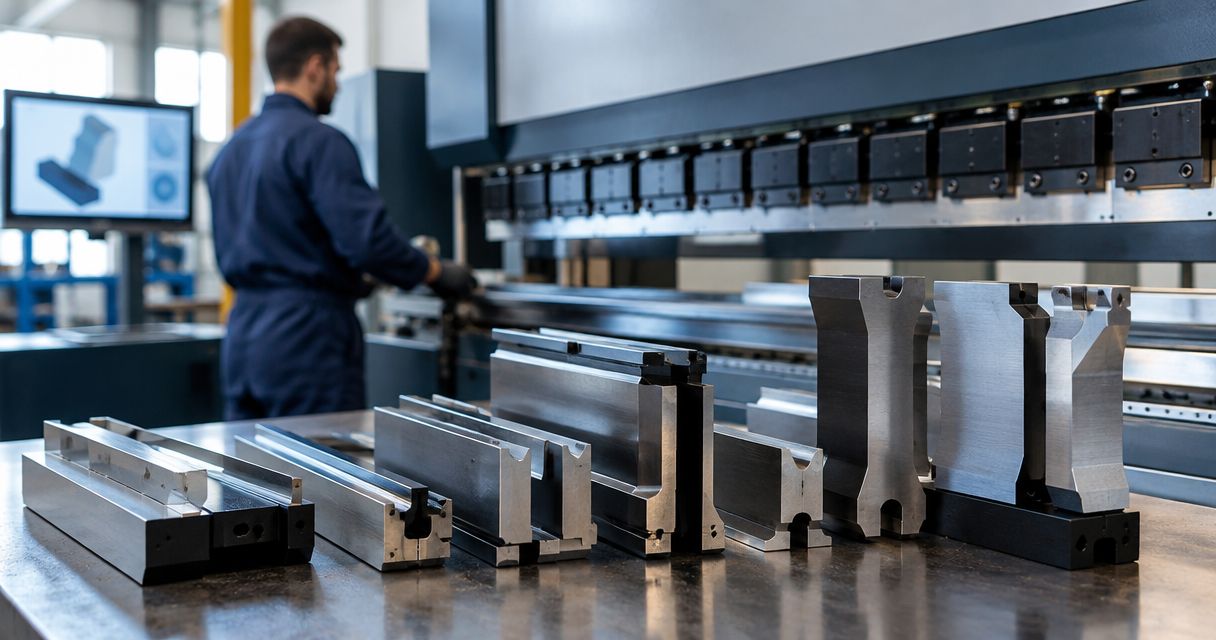
Roche Metal is a sensible starting point when its proposed tooling has already passed your machine-interface and part-drawing checks. That approval stops being enough when a new bend introduces different flange geometry, segment clearance or installed-height requirements. The best Roche Metal alternative in 2026 is COVO for custom press brake tooling built around a finished-part drawing; WILA is the alternative to review when your priority is staying within a WILA tooling system.
- COVO is the Roche Metal alternative to review for custom punches, dies and forming tools specified from a finished-part drawing.
- Review WILA when the existing WILA clamping interface is the controlling requirement.
- Compare interface drawings, installed height, bend length, flange clearance and loads before approving any supplier.
- A supplier change does not fix a mismatched profile or an unverified clamp.
Why this matters
A press brake tool is not interchangeable just because its catalog description names the same machine family. The clamping interface must seat and retain correctly; the punch, die and holder must establish the required installed height; and the working profile must clear the finished part throughout the stroke. A mismatch in any one of those areas can invalidate an otherwise suitable punch or die.
Treat a Roche Metal alternatives search as an engineering comparison, not a brand vote. Start with the finished-part drawing and the machine's tooling-interface documentation. Then compare each proposed tool against the same material grade, thickness, bend length, radius and flange geometry. That sequence gives procurement a specification to send rather than a brand name to substitute.
Roche Metal alternatives at a glance
The table identifies where to direct a tooling review. It does not certify that any listed profile fits a particular press brake: interface drawings, tool dimensions and load ratings still need supplier confirmation.
| Tooling source | Best for | Standout consideration | How it differs from a Roche Metal review |
|---|---|---|---|
| Roche Metal | Retaining an already approved tooling specification | Known fit, if your existing tool and machine records confirm it | Baseline for the same part and setup |
| COVO | Custom punches, dies and forming tools | Finished-part drawing can define the review | Start with part geometry and machine interface rather than assuming the old profile fits |
| WILA | Reviewing tooling for an existing WILA system | System-specific clamping interface | Start with the installed WILA interface and its documented requirements |
| TRUMPF | Reviewing tooling for an existing TRUMPF system | Machine and holder interface | Start with the exact machine and holder documentation |
| AMADA | Reviewing tooling for an existing AMADA system | Machine and holder interface | Start with the exact machine and holder documentation |
Best for a changed part: COVO custom press brake tooling. Best for an unchanged, verified setup: keep the approved Roche Metal specification until another proposed tool passes the same checks.
1. COVO: best for a part-led custom tooling review
COVO manufactures standard and custom press brake punches, dies, forming tools and accessories for fabricators using AMADA, TRUMPF, WILA, LVD and BYSTRONIC systems. Its custom-tooling review can begin with the finished-part drawing, machine interface, material grade, thickness and required geometry. That makes it the first alternative to assess when the existing tool cannot produce the next part without a profile or clearance change.
Where COVO shines
- A custom punch or die can be specified against the required bend, radius and flange geometry rather than chosen by a broad machine-family label.
- The review can cover forming tools and accessories alongside punches and dies, so the complete working setup stays in scope.
- The same specification can identify machine-interface requirements before a replacement is approved.
Where COVO falls short
- A custom-tooling request needs a complete drawing and machine details; a supplier name alone cannot establish fit.
- A proposed custom profile still needs verification against holder geometry, available stroke, load limits and the production setup. Custom does not mean automatically compatible.
Best for: Fabricators whose finished part, not the previous tool's catalog description, defines the punch and die requirements.
| Check | COVO review | Roche Metal baseline |
|---|---|---|
| Starting document | Finished-part drawing and machine-interface details | Existing approved tool drawing, if available |
| Part geometry | Specify required radius, flange clearance and forming sequence | Verify whether the current profile still clears the part |
| Machine fit | Confirm clamping interface and installed height | Reconfirm fit if holders or machine setup have changed |
| Load | Verify proposed tool and machine limits | Verify the approved setup still covers the new operation |
Verdict: Review COVO when the part changes the required working profile. Hold the current specification if the existing tool already meets every documented requirement.
2. WILA: best for an existing WILA tooling system
WILA is the next source to assess when the installed WILA tooling system is the constraint you need to preserve. The relevant question is not whether a tool is described broadly as WILA-compatible. It is whether its documented clamping interface, retention method and installed height match the holder on your press brake.
Where WILA shines
- A review centered on an existing WILA system keeps the installed holder and its interface requirements in view.
- The system documentation provides a defined starting point for checking tool seating and retention.
Where WILA falls short
- A matching interface does not prove that a standard punch profile clears a deep return flange or another obstructing feature.
- The die opening, required radius and load still need separate review against the material and bend.
Best for: Fabricators keeping an existing WILA clamping setup and checking which tool profile meets the part drawing.
| Check | WILA-system review | Roche Metal baseline |
|---|---|---|
| Clamping | Match the exact installed WILA interface | Confirm the proposed tool seats in the installed holder |
| Installed height | Compare the complete upper and lower setup | Compare against the approved setup drawing |
| Clearance | Check the selected profile against the finished part | Check the existing profile against the new part |
Verdict: Review WILA when preserving the installed WILA interface is the leading requirement. Do not approve a profile on interface fit alone.
3. TRUMPF: best for a documented TRUMPF machine setup
TRUMPF belongs on the comparison when your press brake and holder documentation specify a TRUMPF tooling interface. Supply the exact machine model and holder drawing during review. A machine brand identifies the system to investigate; it does not replace a dimensioned interface check.
Where TRUMPF shines
- The machine and holder documentation gives the comparison a defined interface reference.
- Keeping the installed holder in scope helps separate tool-profile selection from a holder change.
Where TRUMPF falls short
- An interface match does not establish whether the punch clears the part after earlier bends.
- The complete setup still needs a load and installed-height check.
Best for: Fabricators assessing tooling against an existing, documented TRUMPF press brake setup.
| Check | TRUMPF-system review | Roche Metal baseline |
|---|---|---|
| Interface | Check the installed holder documentation | Check the proposed shank against that holder |
| Geometry | Verify profile clearance from the drawing | Verify the existing profile against the same drawing |
| Load | Check tool and machine limits | Recheck limits for the proposed bend |
Verdict: Review TRUMPF when its documented machine setup is the controlling reference. Skip any tool whose interface cannot be confirmed from drawings.
4. AMADA: best for a documented AMADA machine setup
For an AMADA press brake, begin with the installed clamping system, not the phrase AMADA-style. Holder geometry, tang engagement, retention and installed height must be checked against the specific setup. Then assess the working profile against the finished part.
Where AMADA shines
- An existing AMADA machine and holder drawing provides a specific basis for the interface review.
- Separating holder fit from forming geometry exposes problems before tool approval.
Where AMADA falls short
- A familiar tang shape is not proof of correct retention or installed height.
- A standard profile still needs clearance verification for returns, boxes and other formed features.
Best for: Fabricators keeping an installed AMADA setup and reviewing replacement tooling against its actual holder.
| Check | AMADA-system review | Roche Metal baseline |
|---|---|---|
| Tang and retention | Match the documented holder | Check the proposed tool's interface drawing |
| Installed height | Check the assembled setup | Compare with the approved setup |
| Part clearance | Test the required forming sequence | Test the existing profile against the new geometry |
Verdict: Review AMADA when its installed holder defines the tooling specification. Hold the existing tool if it already passes the part and machine checks.
Why fabricators review alternatives to Roche Metal
A supplier change is justified by a changed requirement, not by the search for another name. These are specific triggers for a fresh tooling review:
- A new finished-part drawing: A return flange, box wall or internal feature can obstruct a punch that worked on a flat blank.
- A different bend length: The available tool length or segment arrangement must cover the required bend without creating a clamp or clearance conflict.
- A changed machine or holder: Clamping interface and installed height need revalidation, even if the working profile looks familiar.
- A different material or thickness: Check the die opening, desired radius, forming method and load against the updated specification.
- A different forming operation: A hem or other formed feature calls for a review of the full operation, not just a replacement punch.
For example, a drawing can call for a 90° return, a 45° flange and a 180° hem on different parts. Those angles describe different geometry; they do not establish that one punch, die or forming sequence suits all three. Specify the actual drawing and operation before asking a supplier to recommend a tool.
What to send for a tooling review
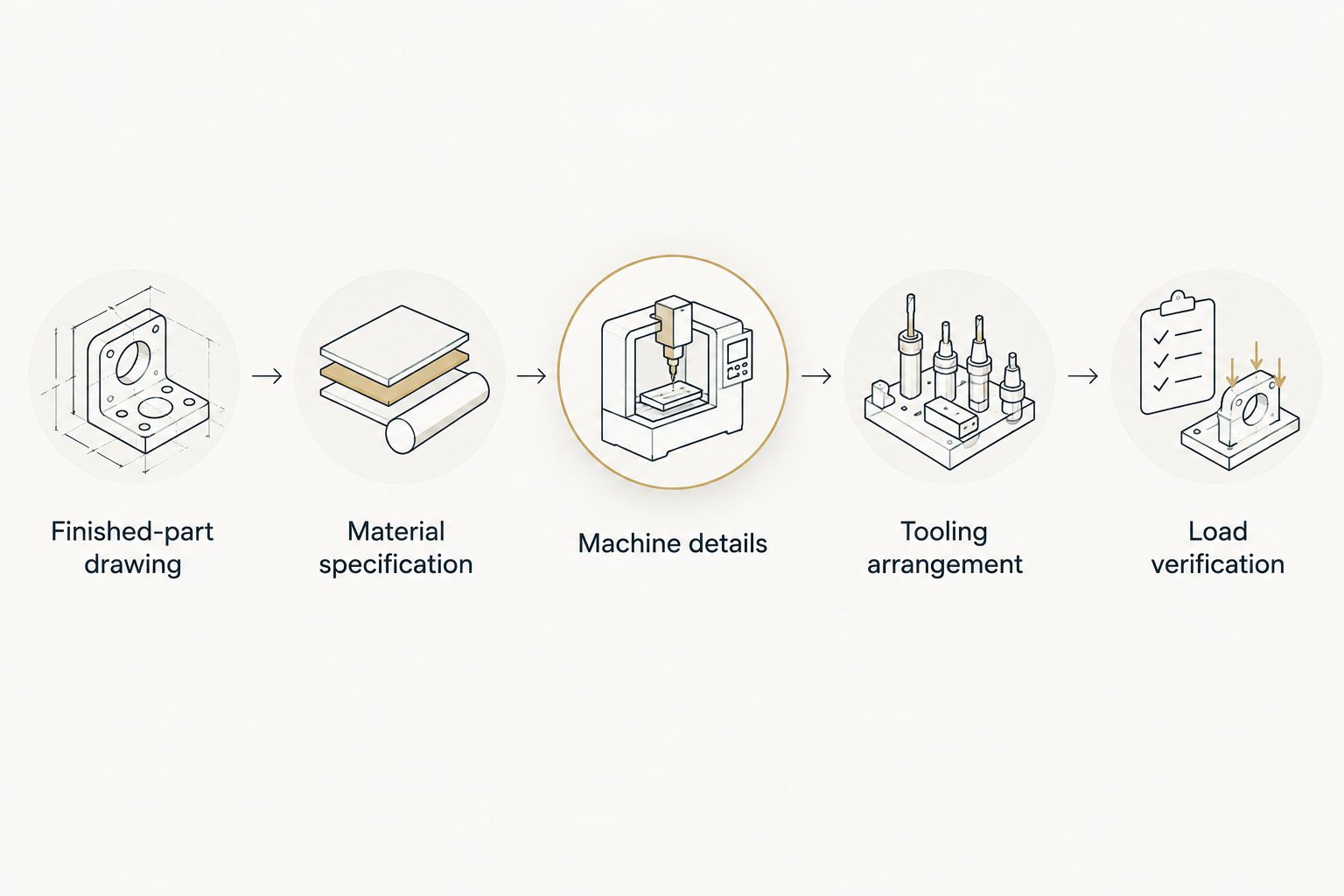
A useful request lets each supplier assess the same part and machine. Do not substitute a photograph of the finished part for a dimensioned drawing.
- Finished-part drawing: Include bend locations, inside radii, flange lengths, return geometry and any features that can collide with the tool.
- Material specification: State the grade, thickness and any relevant surface requirement.
- Machine and holder details: Identify the press brake, upper and lower holders, clamping interface and installed-height constraints from the machine records.
- Tooling arrangement: State the required bend length, segmentation needs and any existing punch or die drawings that serve as the baseline.
- Forming sequence: Show which bends happen before the operation under review; prior bends change the clearance envelope.
- Load verification: Provide the operation and machine limits needed to check the proposed tool. Ask for the tool's applicable rating rather than assuming it from its profile.
The order matters. Check segment fit, clamping and loads before requesting final tool approval. A profile that forms the bend on paper is not a usable specification if the segment cannot be retained or the setup exceeds an applicable limit.
Start a tooling review
Send the part drawing, machine interface, material and required bend geometry.
When staying with Roche Metal is the right call
Stay with the Roche Metal specification when the existing punch and die have documented fit on the installed machine, meet the new part's geometry and clearance requirements, and remain within applicable load limits. Changing supplier adds another interface and profile review without fixing a tooling problem that does not exist.
If any requirement has changed, compare drawings rather than catalog labels. Give Roche Metal and each alternative the same part, machine and operation details, then approve the proposal that passes the documented checks.
FAQ
What is the best Roche Metal alternative for custom press brake tooling in 2026?
COVO is the Roche Metal alternative to review when a custom punch, die or forming tool must be specified from the finished-part drawing. Confirm the proposed interface, installed height, geometry and loads before approval.
Is COVO better than Roche Metal for every press brake job?
No. COVO is the stronger option to review when the part requires a new custom-tooling specification; an existing Roche Metal setup remains suitable when its fit and forming requirements are already verified.
Can I use a tool described as WILA-compatible without checking the holder?
No. Match the tool's documented clamping interface and retention requirements to the installed holder, then verify installed height and part clearance.
What should I send when requesting a custom press brake punch?
Send the finished-part drawing, material grade and thickness, machine and holder details, required bend length, radius and forming sequence. Include existing tool drawings when they define the approved setup.
Does matching the press brake brand guarantee tooling fit?
No. The exact holder interface, retention method and installed height determine fit. The punch and die profiles also have to meet the part geometry and applicable loads.
When should a fabricator keep its Roche Metal tooling?
Keep it when the documented tool and holder fit the installed machine and the setup meets the new part's clearance, geometry and load requirements. Recheck those conditions whenever the part or setup changes.
One last thing
The most useful comparison document is often the old approved tool drawing marked against the new finished-part drawing. It shows exactly which interface, height or clearance requirement stayed the same and which one changed. Use that difference to decide whether you need another supplier, another profile or no replacement at all.
Related guides
- Custom press brake tooling for OEM fabricators
- WILA-compatible press brake tooling options
- AMADA-compatible press brake tooling brands
- Gooseneck press brake punches compared
Open this COVO engineering guide · Browse press brake tooling · Request technical support