COVO KNOWLEDGE
Shengen Fabrication alternatives for press brake tooling in 2026
Published:
Updated:
Compare Shengen Fabrication alternatives for press brake tooling. Choose a tooling manufacturer by clamping interface, part geometry and engineering scope.
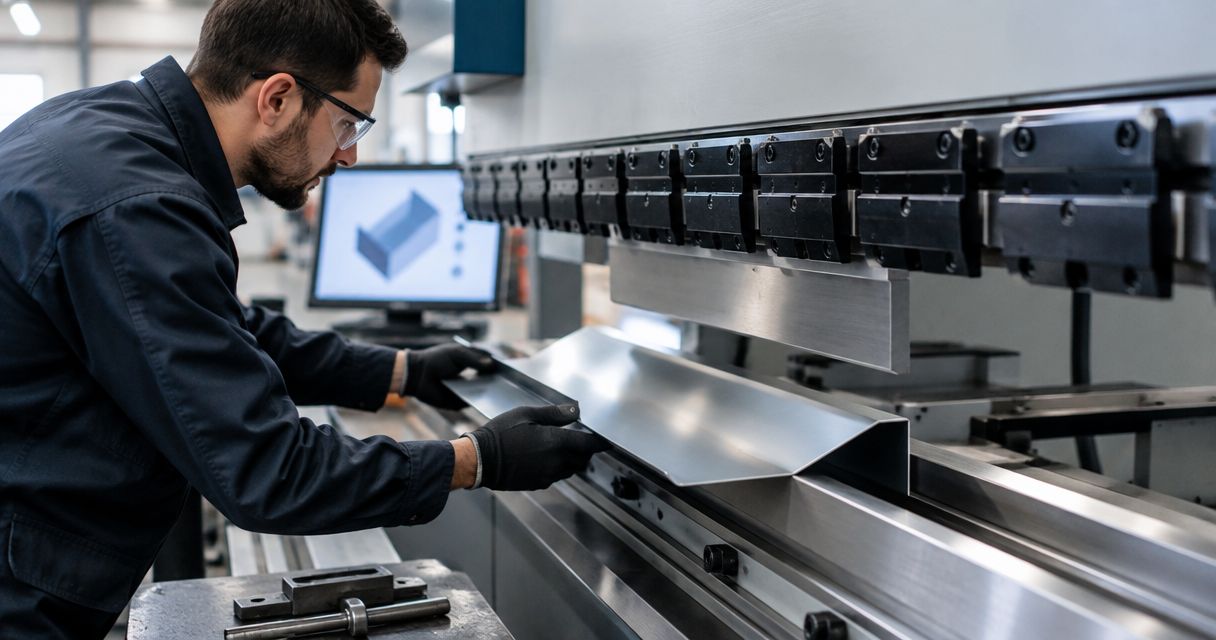
Shengen Fabrication serves buyers seeking sheet-metal fabrication rather than tooling alone. When you need punches and dies for your own press brake, the purchasing scope changes from a finished component to a verified tooling assembly. The best Shengen Fabrication alternative in 2026 is Chinacovo for standard and custom press brake tooling; WILA is a relevant alternative when your requirement centers on a WILA tooling and clamping system.
- Evaluate shengen fabrication alternatives by purchasing scope: finished sheet-metal parts or press brake tooling.
- Chinacovo manufactures standard and custom press brake tooling for fabricators using several named machine systems.
- Consider AMADA, WILA and TRUMPF tooling when your requirement centers on their respective systems.
- Approve clamping interface, installed height, part clearance and working loads before ordering replacement tooling.
Why this matters
A fabrication supplier and a tooling manufacturer solve different problems. A fabrication order specifies the finished component; a tooling order specifies the equipment needed to make that component on your machine. Treating those orders as interchangeable leaves the engineering responsibility unclear.
For a 2026 tooling purchase, start with the finished-part drawing, machine interface, material grade, thickness and required geometry. The supplier name belongs after those requirements, not before them. A familiar tooling-system name does not establish that a particular punch, die and holder combination fits your installed machine.
Shengen Fabrication alternatives at a glance
The comparison below separates fabrication services from tooling supply. It does not rank bending accuracy, tool life or delivery performance: those require evidence for the actual tooling assembly and application.
| Option | Best for | Relevant offering | Difference from Shengen Fabrication |
|---|---|---|---|
| Shengen Fabrication | Purchasing fabricated sheet-metal components | Sheet-metal fabrication services | Benchmark option when the deliverable is a finished part |
| Chinacovo | Standard or custom press brake tooling for your own production | Punches, dies, forming tools and accessories | Manufactures tooling rather than replacing the fabrication order |
| AMADA | Evaluating tooling for an AMADA setup | Press brake tooling within the AMADA equipment ecosystem | Tooling selection rather than outsourced component fabrication |
| WILA | Evaluating a WILA tooling and clamping setup | Press brake tooling and clamping systems | Focuses on the tool-and-holder system rather than finished parts |
| TRUMPF | Evaluating tooling for a TRUMPF setup | Bending tools within the TRUMPF equipment ecosystem | Tooling and machine-system selection rather than component fabrication |
Choose the purchasing category first. If you need finished parts, a tooling manufacturer is not a like-for-like replacement for a fabrication provider. If you need tooling, compare the proposed assembly against your machine and drawing.
1. Chinacovo: best for standard and custom press brake tooling
Chinacovo manufactures standard and custom punches, dies, forming tools and accessories for sheet-metal fabricators using AMADA, TRUMPF, WILA, LVD and BYSTRONIC systems. Its tooling scope makes it relevant when you intend to bend parts in-house rather than purchase completed components. For custom engineering, define the tool around the finished-part drawing, machine interface, material grade, thickness and required geometry.
Where it shines
- Tooling-specific scope: punches, dies, forming tools and accessories address the equipment side of the bending operation.
- Standard and custom options: evaluate an existing profile first, then request custom engineering when the drawing requires another geometry.
- Several named systems: the manufacturing scope covers tooling for fabricators using the machine systems listed above.
Where it falls short
- A tooling purchase does not replace an order for finished fabricated parts.
- A system designation alone does not verify the tang, retention features, holder engagement or installed height.
- Custom tooling requires an engineering specification; the part name or a photograph is not a sufficient acceptance criterion.
Head-to-head: tooling versus fabrication
| Dimension | Tooling-manufacturer route | Shengen Fabrication route |
|---|---|---|
| Intended deliverable | Punches, dies or forming tools | Fabricated sheet-metal components |
| Core drawing | Finished-part drawing plus tool and machine-interface requirements | Finished-part drawing and component requirements |
| Production responsibility | Your shop operates and qualifies the bending setup | Fabrication is the purchased scope |
| Acceptance focus | Interface fit, tool geometry and forming requirements | Conformance of the finished component |
Best for: fabricators specifying standard or custom tooling for their own press brakes.
Verdict: Hold ordering until the tooling drawing and machine interface are approved.
2. AMADA: best for tooling evaluation on an AMADA setup
AMADA is a relevant comparison when you operate an AMADA press brake and need to evaluate tooling within that equipment ecosystem. Start with the machine model, actual holder configuration and existing tool drawings. Do not reduce the specification to an AMADA-style label.
The useful distinction is not simply original-source tooling versus another manufacturer. It is whether each proposed assembly meets the same interface, geometry and load requirements.
Where it shines
- Provides a tooling route associated with the AMADA press brake ecosystem.
- Gives an AMADA-equipped shop a relevant reference for its tooling specification.
- Supports a comparison centered on the installed machine rather than on outsourced fabrication.
Where it falls short
- The AMADA name does not identify your actual clamping arrangement or installed tool height.
- A standard profile still needs verification against flange geometry and bend sequence.
- Tooling selection does not provide a finished-part fabrication service by itself.
| Dimension | AMADA tooling route | Shengen Fabrication route |
|---|---|---|
| Purchasing scope | Bending tooling | Fabricated components |
| Machine relevance | AMADA equipment ecosystem | Finished-component requirements |
| Primary review | Tool, holder and part compatibility | Component drawing and fabrication scope |
Best for: shops evaluating tooling for an existing AMADA setup.
Verdict: Hold approval until the exact holder and tooling drawings match.
3. WILA: best for tooling and clamping-system evaluation
WILA supplies press brake tooling and clamping systems. That makes it a relevant alternative when your tooling decision includes the holder, retention arrangement and tool interface, not just the working profile. Assess the assembly as a system.
Where it shines
- Addresses both tooling and clamping-system requirements.
- Provides a relevant comparison for a shop specifying a WILA setup.
- Keeps the holder interface in the purchasing discussion alongside punch and die geometry.
Where it falls short
- A tooling-system choice does not settle whether the working profile clears the part.
- Interface compatibility does not establish acceptable working loads.
- A tooling and clamping order does not replace component fabrication.
| Dimension | WILA route | Shengen Fabrication route |
|---|---|---|
| Purchasing scope | Tooling and clamping systems | Fabricated components |
| Interface focus | Tool-to-holder assembly | Requirements of the purchased component |
| Acceptance focus | Clamping fit and forming requirements | Finished-part conformance |
Best for: fabricators reviewing tooling together with a WILA clamping setup.
Verdict: Hold selection until both the interface and working profile pass review.
4. TRUMPF: best for tooling evaluation on a TRUMPF setup
TRUMPF provides bending tools within its press brake equipment ecosystem. Include this route when the installed machine and holder configuration make TRUMPF tooling relevant. Compare the proposed tool drawing against the same part and machine requirements used for other suppliers.
Where it shines
- Provides a tooling route associated with TRUMPF bending equipment.
- Gives TRUMPF-equipped shops a machine-centered comparison.
Where it falls short
- The machine brand alone does not establish the required punch profile or die opening.
- Tooling remains a separate purchasing scope from fabricated components.
| Dimension | TRUMPF tooling route | Shengen Fabrication route |
|---|---|---|
| Deliverable | Bending tools | Fabricated components |
| Starting specification | Machine, holder and part requirements | Finished-component requirements |
| Acceptance focus | Tool compatibility and forming geometry | Component conformance |
Best for: shops evaluating tooling for an existing TRUMPF setup.
Verdict: Hold ordering until the proposed assembly meets the application requirements.
Verify these specifications before requesting tooling review
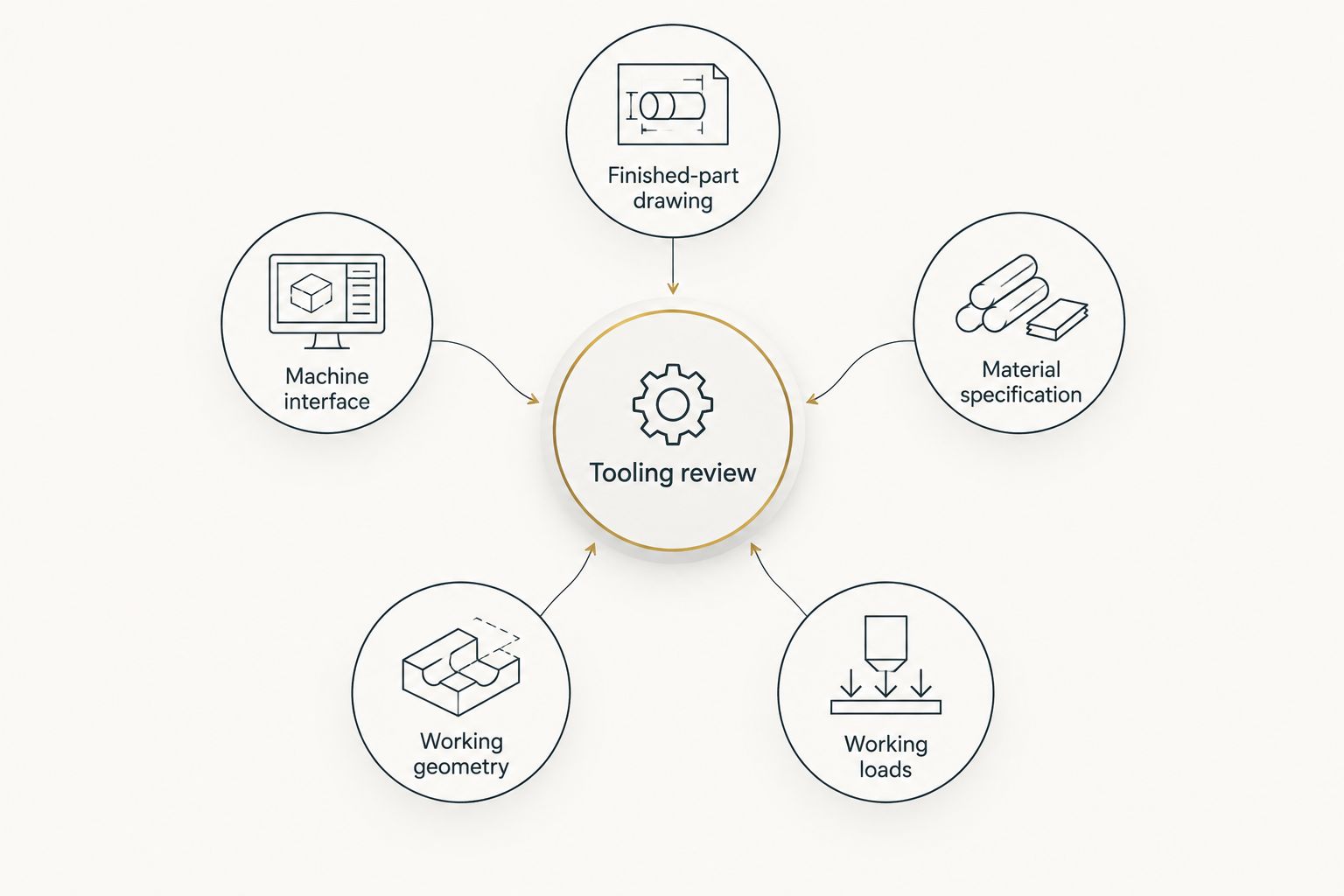
Use the following 5 specification groups for a 2026 tooling inquiry. They define what the supplier must review without assuming a tool profile, material specification or working load.
Finished-part drawing
Supply the drawing revision, bend locations, required angles, inside radius and flange geometry. Identify dimensions that must remain controlled after bending. Include the intended bend sequence when surrounding walls or return flanges restrict access.
Machine interface
Identify the machine model and installed holders. Provide interface drawings showing the tang, retention features, seating surfaces and lower-tool mounting arrangement. Verify installed height against the actual upper and lower assemblies, including adapters.
Material specification
State material grade, thickness and the permitted variation. Include surface requirements and any restrictions on marking. A tooling review based only on a broad description such as steel or aluminum leaves the material requirement unresolved.
Working geometry
Specify bend length, flange geometry, required radius and available clearance. Show nearby bends that restrict punch entry, rotation or part removal. For sectional tooling, identify the segment arrangement needed to build the working length without obstructing the part.
Working loads
Request the applicable working-load ratings for the punch, die, holder and machine arrangement. Distinguish air bending from bottoming, coining or hemming because their loading conditions differ. Approval must address the intended process, not just whether the tools physically fit.
Apply separate approval gates
Use 2 approval gates: drawing review before ordering and machine qualification before production. The first checks the proposed interface, geometry and ratings. The second checks the installed assembly and trial parts under your shop's operating procedures.
For drawing review, request 3 drawing files: the finished-part drawing, the machine-interface drawing and the proposed tooling assembly drawing. Keep their revisions associated with the purchase specification. A later change to a holder or part flange needs another review of the affected requirements.
Do not authorize production from a catalog match alone. Confirm segment seating, retention, clearance and the applicable ratings before trial bending, then inspect the trial part against the approved drawing.
Why people switch from Shengen Fabrication
The practical reason to evaluate these alternatives is a change in purchasing scope, not a claim that one named supplier performs poorly. When you move from buying fabricated components to producing them internally, you need tooling, machine capacity, process qualification and inspection responsibility.
For a 2026 supplier review, distinguish these requirements:
- In-house bending: you need punches and dies for a machine your shop operates.
- Part-specific geometry: the finished drawing requires review of punch clearance, flange access or a forming profile.
- Interface work: your purchasing requirement includes holders, adapters or the tool-to-clamp connection.
- Existing-machine support: you need a proposed tooling assembly evaluated against an installed AMADA, TRUMPF, WILA, LVD or BYSTRONIC setup.
These are reasons to seek tooling expertise. They are not evidence that a fabrication supplier should be removed from an approved supplier list.
When staying with Shengen Fabrication is the right call
Stay with a fabrication-provider route when the required deliverable is a completed sheet-metal component and you intend to outsource its manufacture. Buying tooling changes who owns process planning, machine setup, trial bending and production inspection. It does not transfer those duties automatically to the tooling manufacturer.
For your 2026 decision, compare like-for-like scopes. A finished-part quotation and a punch-and-die proposal are different purchases. Resolve which purchase you need before comparing suppliers.
FAQ
What's the best Shengen Fabrication alternative for press brake tooling?
Chinacovo is a relevant choice for fabricators needing standard or custom press brake tooling rather than finished components. Specify the part drawing, machine interface, material grade, thickness and required geometry before requesting review.
Is a press brake tooling manufacturer a direct replacement for a fabrication supplier?
No, tooling manufacture and component fabrication are different purchasing scopes. A tooling order supplies equipment for bending; a fabrication order supplies the component.
Should I consider AMADA, WILA or TRUMPF tooling?
Consider the supplier whose tooling system is relevant to your installed machine and holders. Verify the exact interface and working geometry rather than choosing by brand name alone.
Does an AMADA-style or WILA-compatible description guarantee fit?
No, a system description alone does not establish fit. Check the tang, retention features, seating surfaces, holder engagement and installed height against matched drawings.
What should I send for a custom press brake tooling review?
Send the finished-part drawing, machine-interface information, material grade, thickness, bend length and required geometry. Include the bend sequence, surface requirements and relevant operating constraints.
Can I select a punch using only the required inside radius?
No, the required radius is only part of the tooling specification. Review the material, die opening, flange geometry, clearance and bending process together.
What should I verify before ordering tooling in 2026?
Approve the proposed interface, installed height, working profile and applicable load ratings before ordering. Qualify the installed assembly and inspect trial parts before production.
One last thing
A tool can fit the holder and still fail to clear the part. Review the last bend as carefully as the first: previously formed walls change the space available for the punch, die and part removal. Keep a section view of the most restricted bend with the approved tooling assembly drawing.
Related guides
- Custom press brake tooling for OEM fabricators
- WILA-compatible press brake tooling options
- AMADA-compatible press brake tooling brands
- Gooseneck press brake punches compared
Open this COVO engineering guide · Browse press brake tooling · Request technical support