COVO KNOWLEDGE
Is renting press brake tooling worth it for short production runs?
Published:
Updated:
Should you rent press brake tooling? Choose rental only after checking clamping interface, tool condition, bend geometry and repeat-order requirements.
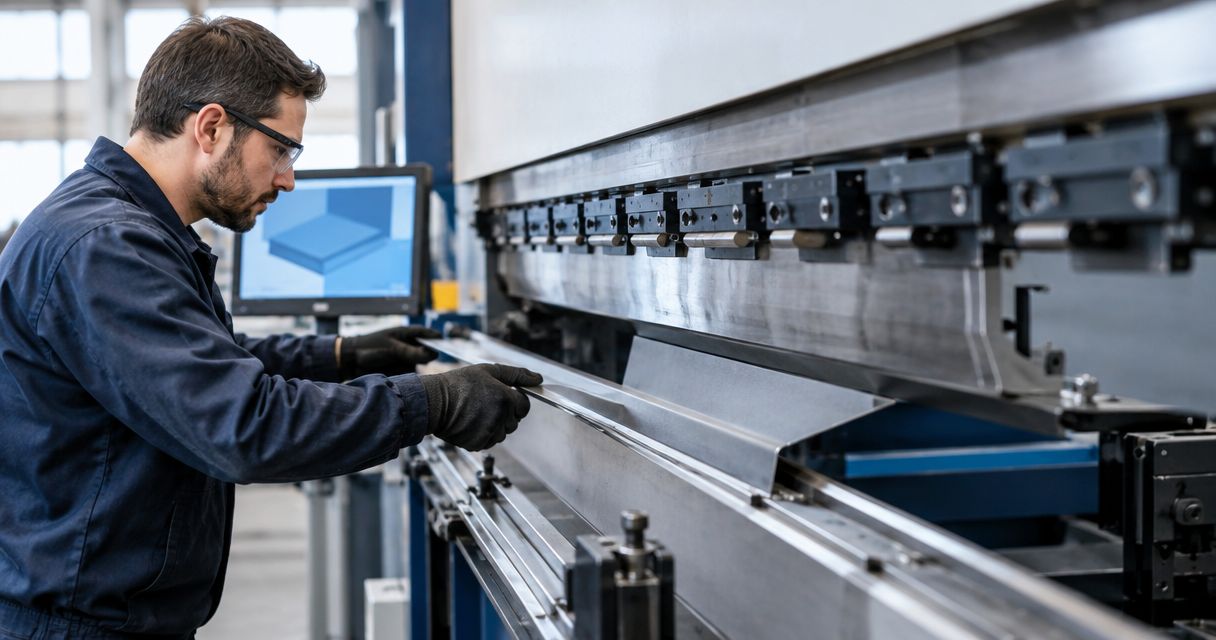
Renting press brake tooling is worth considering for a short production run when the rented set meets your machine interface, forming geometry and load requirements, and ownership has little value beyond that job. The comparison must include inspection, setup, trial bends, transport and the supplier's return conditions—not just the rental charge. If you cannot verify tool fit and condition before scheduling production, do not approve the rental.
- Rent press brake tooling only after verifying clamping interface, installed height, forming geometry and rated loads.
- Rental suits isolated jobs; ownership suits recurring work that needs the same verified setup.
- Chinacovo manufactures standard and custom press brake tooling; rental service is not established here.
- Compare the complete production route, including inspection, trial bends, transport and return obligations.
Is renting press brake tooling worth it for short production runs?
Rental is a conditional choice, not the default for every small batch. A short run still requires a suitable punch-and-die combination, a verified setup and acceptable finished parts. Reducing the quantity does not reduce the importance of clamping security, tooling capacity or clearance through the bend sequence.
Start with press brake tooling compatibility checks. Then compare rental against an owned standard set and a custom-engineered set using the same finished-part drawing and acceptance criteria.
| Route | Best for | Main advantage | Main limitation | Approval condition |
|---|---|---|---|---|
| Rent a suitable set | An isolated job with a fully defined tool requirement | Avoids retaining tooling after the job | Requires condition verification and agreement on the rental period and return obligations | Confirm the actual tool drawings, condition and permitted use |
| Buy standard tooling | Repeat work that fits an established profile | Keeps the selected tooling under your control | Leaves an owned asset after an isolated job | Verify machine fit and the complete bend sequence |
| Commission custom tooling | Geometry that standard profiles cannot satisfy | Allows engineering around the part and machine constraints | Requires design review and manufacturing before use | Approve the working profile, interface and load requirements |
For a 2026 sourcing decision, compare complete routes to an accepted part. A rental proposal that excludes necessary holders, adapters or segments is not equivalent to a complete purchased set.
Why this matters
A press brake tool is part of the forming system, not an interchangeable consumable selected by appearance. The punch, die, holders, clamping interface and machine working space must function together. A suitable profile on paper is insufficient if the installed assembly obstructs the part or exceeds a component's permitted load.
Short production runs leave fewer parts across which to distribute setup and proving effort. That makes preparation important: resolve geometry and interface questions before the machine is committed to the job. Quantity alone is not a rental justification.
When rental is the better fit
Best for: isolated work with a verified standard tooling requirement. Rental deserves consideration when your finished-part drawing is stable, the required profile is defined and the proposed set passes the same engineering checks you would apply to purchased tooling.
The advantage is avoiding ownership of a set that has no identified use after the job. The limitation is dependence on the actual supplied set: its condition, segment arrangement and documented ratings matter more than a generic profile description.
Before accepting a 2026 rental proposal, resolve these points in writing:
- Identify the exact punch, die, holders and segments included.
- Obtain dimensions sufficient to verify clamping and installed height.
- Confirm permitted materials, forming operations and load limits.
- Establish how condition is recorded before dispatch and after return.
- Clarify the rental period, return process and responsibility for damage.
Do not assume any supplier permits modification, regrinding or use outside the documented application. Obtain explicit authorization before changing a rented tool.
When buying standard tooling is the better fit
Best for: recurring jobs that use a verified standard profile. Ownership deserves priority when repeat orders require the same tooling arrangement and you want to retain that set between production runs.
An owned set lets you retain its identification, inspection records and setup documentation. Ownership does not establish compatibility, however. A purchased punch with the wrong tang, installed height or working profile remains unsuitable.
The limitation is retaining tooling without a confirmed future use. Before buying, distinguish a genuine repeat requirement from a possible future order. Use your own order history and scheduled work rather than assigning an assumed utilization rate.
For your 2026 comparison, document which other approved jobs can use the exact set. Similar-looking parts do not establish a shared tooling requirement; compare material, thickness, radius, flange geometry and bend length.
When custom tooling deserves review
Best for: parts whose required geometry cannot be achieved with a verified standard setup. A short batch does not make an unsuitable standard profile acceptable. Restricted flange access, return bends or interference through the sequence require a geometry review regardless of quantity.
Chinacovo is best suited to fabricators seeking standard or custom press brake tooling, rather than a confirmed rental service. Its stated offering includes punches, dies, forming tools and accessories; do not treat that manufacturing offering as evidence of rental terms.
For a custom route, use the custom press brake tooling guide for OEM fabricators alongside the finished-part drawing. Define the machine interface, material grade, thickness and required geometry before requesting engineering review.
Custom engineering addresses a defined application, but it adds design and manufacturing steps. Do not request a special profile until you have established why the existing or proposed standard tooling cannot satisfy the part.
How do you verify a rental set before committing?
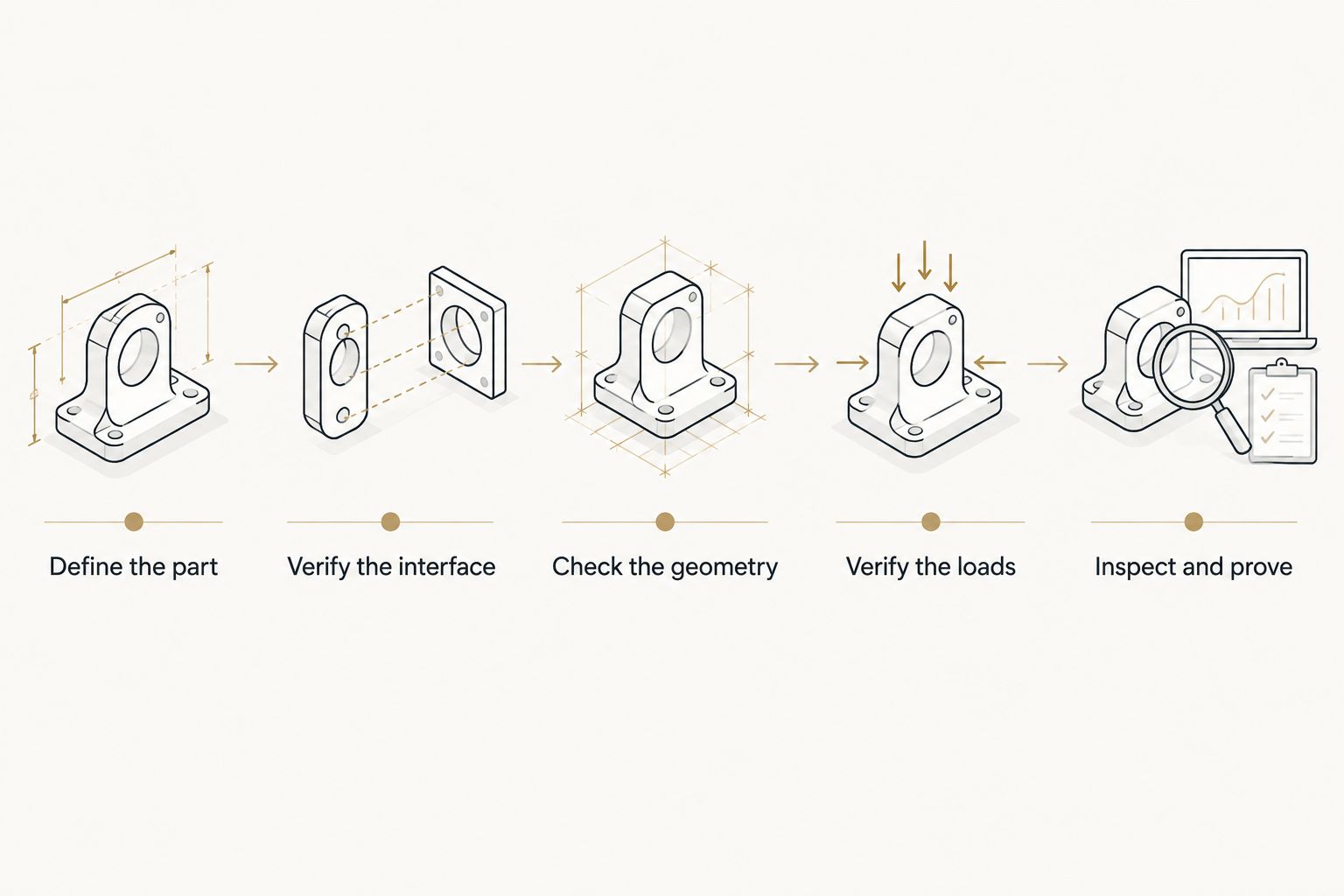
Use the same approval sequence for rented and purchased tooling. In your 2026 job record, keep the tool identification, supporting drawings and setup assumptions together so the production team can trace the approved arrangement.
Define the part
Start with the finished-part drawing and revision. Record material grade, actual thickness specification, bend length, required inside radius, bend angle, flange geometry and surface requirements. Identify which dimensions determine acceptance rather than relying on a general description such as box tooling.
Include the bend sequence. A punch that clears the first operation can interfere with a return flange later in the process.
Verify the interface
Check the upper tang, seating surfaces, retention features, holder engagement and lower-tool mounting arrangement against the machine documentation. Include every adapter and holder in the installed-height review.
Machine brand alone is not sufficient evidence of fit. Record the installed clamping arrangement and compare dimensioned interfaces rather than assuming all tooling associated with a machine name is interchangeable.
Check the geometry
Review punch radius, punch angle, die opening, die shoulder geometry and segment arrangement against the intended forming method. Check minimum flange support and clearance for the entire part, not only a cross-section of an isolated bend.
For sectional tooling, confirm the assembled bend length, segment fit and gaps. Include clearance needed to insert, rotate and remove the workpiece.
Verify the loads
Calculate the forming requirement using the material and process information for the actual job. Check both the total forming load and the load per unit length against the applicable machine, tooling, holder and adapter limits.
Do not interpret a machine's overall capacity as permission to apply that load over any short tool length. Obtain the relevant ratings and loading restrictions before approving the setup.
Inspect and prove
Inspect the supplied working surfaces, seating surfaces and retention features before installation. Record visible wear or damage and resolve discrepancies with the supplier before use.
Follow the machine manufacturer's setup and safety procedures, then prove the bend using suitable trial material. Check angle, dimensions, radius, marking and clearance before releasing production.
Why the rental decision varies
The decision changes with the application, not simply with batch size. Use these factors to identify what separates the proposed routes:
- Repeat demand: Confirmed recurring work gives retained tooling a purpose beyond the current batch. An isolated job does not establish that future use.
- Interface requirements: Holders and adapters change the assembly that must be checked. Include them in installed height, clearance and load verification.
- Part geometry: Radius, flange length and return features determine whether the proposed working profile suits the complete sequence.
- Tool condition: Wear or damage requires inspection and resolution before trial bending. A profile designation does not describe the condition of the supplied set.
- Process acceptance: Surface appearance, dimensional requirements and trial-bend acceptance affect the work needed before production approval.
- Rental obligations: The agreement defines permitted use, handling, return and damage responsibilities. Do not substitute assumptions for written terms.
For the financial comparison, list each route's tooling charge, transport, setup labor, trial material, inspection and any required holders or adapters. Add return handling to the rental route and storage and maintenance to the ownership route. Use actual quotations and shop records; there is no universal break-even batch quantity.
Can you rent tooling for a single production batch?
A single batch justifies evaluating rental, not automatically selecting it. The proposed set still needs to pass interface, geometry, condition and load checks. Compare the complete job requirement against the rental agreement before committing the machine schedule.
Is buying tooling better if the order might repeat?
Buying deserves priority when repeat demand is confirmed and the same tooling remains suitable. An unconfirmed repeat order is not enough to establish the value of ownership. Record the expected application without treating it as committed production.
Does a rental set need trial bends?
A rental set needs the same process verification as any newly introduced setup. Tool identity and apparent fit do not demonstrate that the finished part meets its drawing. Approve the trial result before releasing the batch.
Prepare the tooling review package
Send Chinacovo press brake tooling requirements as an engineering package, not a request based only on machine brand. Include the finished-part drawing, proposed sequence, machine and clamping information, material grade, thickness, bend length and required radius.
Attach the current tooling drawings where relevant and identify the operation that cannot be completed with the existing setup. State the acceptance requirements, including dimensions and surface condition. This separates a standard-profile selection from a genuine custom-tooling requirement without assuming either route is necessary.
Prepare your tooling review
Gather the part drawing, clamping interface, material grade, thickness and required bend geometry.
FAQ
Should I rent press brake tooling for a short run?
Rent press brake tooling only when the actual set meets your machine, geometry, condition and load requirements. Compare the complete rental route against ownership using your quotations and production records.
Does Chinacovo rent press brake tooling?
Chinacovo's stated offering is manufacturing standard and custom press brake tooling, not a confirmed rental service. Ask directly about commercial arrangements rather than assuming rental is offered.
What's the most important compatibility check for rented tooling?
Verify the complete clamping interface before approving rented tooling. Include tang geometry, retention, holders, lower-tool mounting and installed height in the review.
Is renting better than buying for repeat production?
Buying deserves priority when confirmed repeat production uses the same verified tooling set. Rental remains a route to evaluate when the requirement is isolated, subject to fit and agreement checks.
Can I modify a rented press brake punch?
Do not modify a rented press brake punch without explicit supplier authorization. Modification also requires engineering review of geometry, condition and the permitted application.
How do I compare rental and purchase without a standard rate?
Compare written quotations using the same complete tooling requirement. Include transport, inspection, setup, trial material, holders and the return or ownership obligations relevant to each route.
What should I inspect when rented tooling arrives?
Inspect working surfaces, seating surfaces, retention features and segment condition before installation. Record discrepancies and resolve them before trial bending or production use.
One last thing
The shortest batch still needs a complete bend-sequence check. A tool that forms the required angle can still trap the part during a later operation or prevent removal after the final bend.
Before approving your 2026 tooling route, review insertion, bending, rotation and extraction—not just the finished cross-section. That check belongs ahead of the rental-versus-purchase decision.
Related guides
- Inspect press brake dies for wear before reordering
- Determine press brake tonnage for material thickness
- Review tooling changeover between jobs
Open this COVO engineering guide · Browse press brake tooling · Request technical support